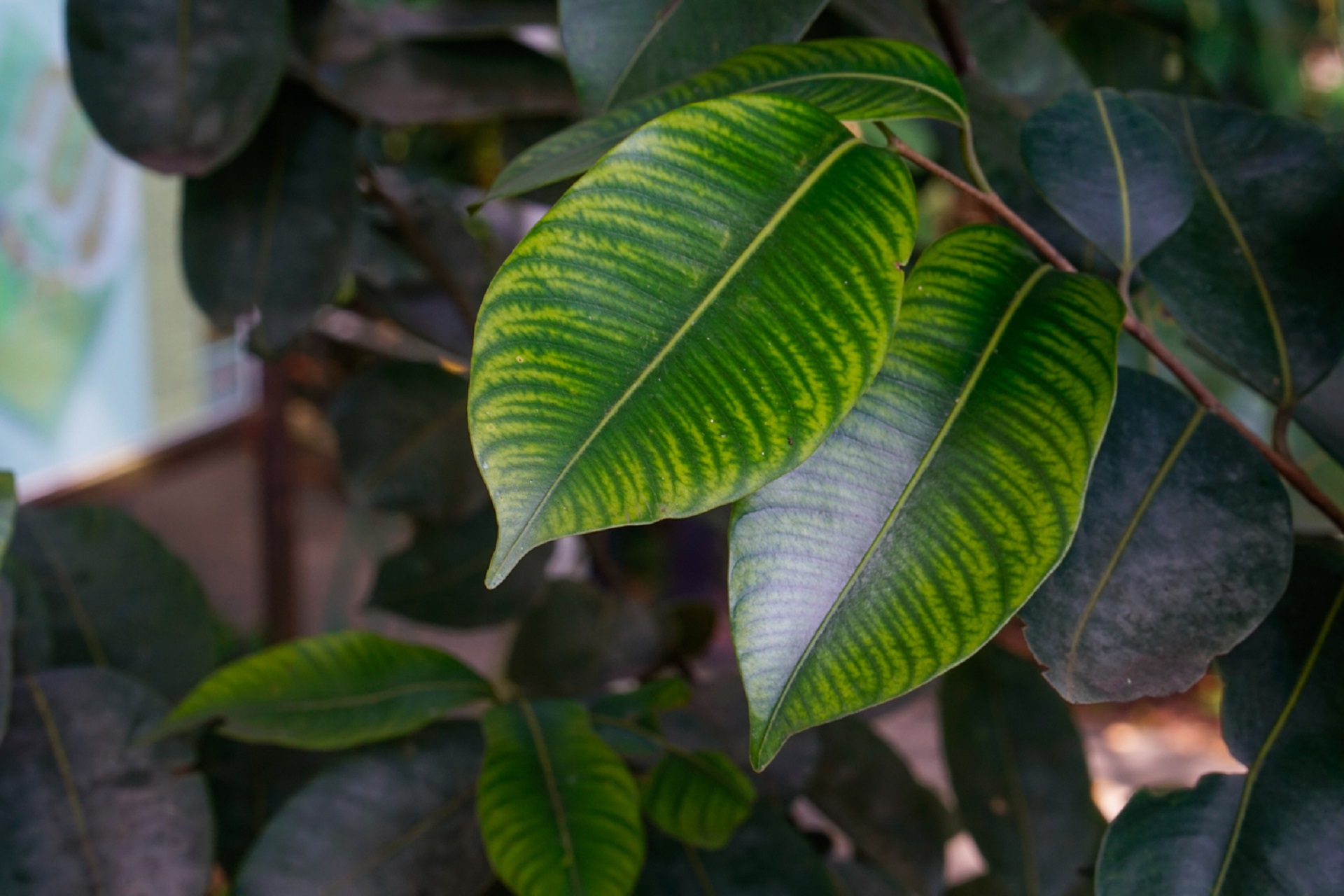
Walking among trees
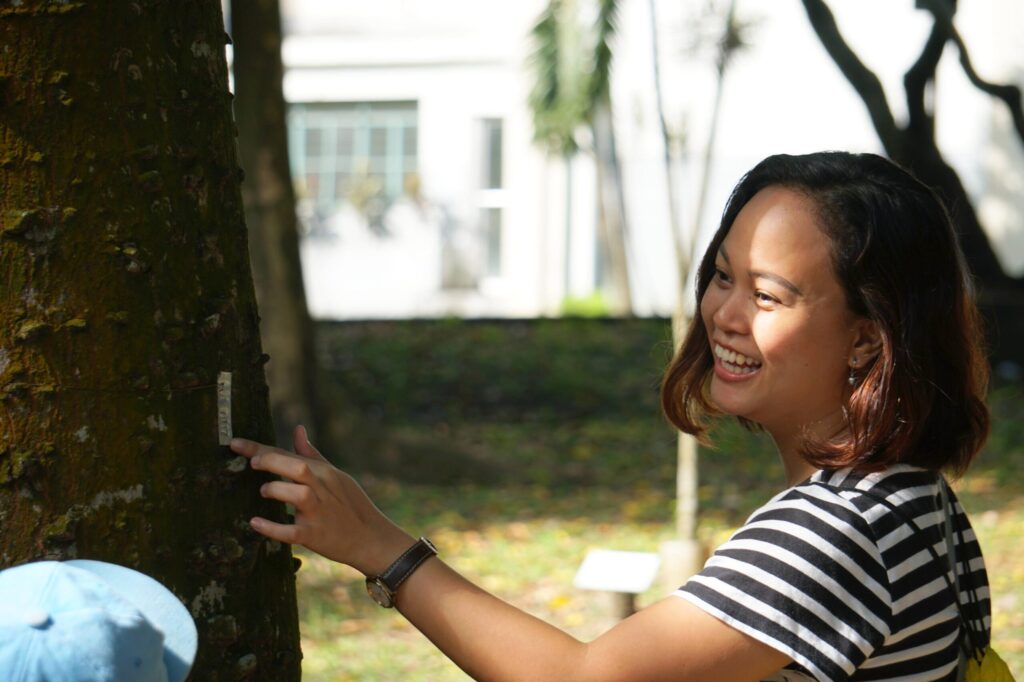
We have to know our native trees to appreciate them as they are a part of our heritage. It’s my first tree walk but I do look forward to doing more and identifying trees better.

Our native trees are part of our heritage. © Rocel Ann Junio
My days in this urban jungle called Metro Manila could easily pass by with me mostly enclosed in huge concrete boxes (the office, the apartment, the malls) or in slow-moving vehicles. I’d complain of the eye and muscle strain I get from long hours of sitting in front of screens, and I’d nag myself for not being around nature more often. But due to a finite travel fund and the occasional lazy streaks, I couldn’t possibly take a trip out of the city every weekend.
This is why when Albert invited me for a tree walk in UP Diliman, I said yes. I knew I needed to go out. It was close to where I live, and for P250 I get to join an educational tour. Perfect!
On the beautiful morning of Oct 13, we headed to UP Diliman to make it to the early call time at 7:30am. The tree walk was organized by the Rain Forest Restoration Initiative (RFRI), a network of organizations and individuals from the academe, peoples’ organizations, NGOs, and private sector engaged in environmental conservation, research, and development. The Haribon Foundation, of which I’m a member, is a part of this network.
It was nice to see more than a handful of people show up on a Saturday morning. Parents brought their toddlers and some older people were with their spouses. We met at the Marine Sciences Institute (MSI) grounds, where famous botanist Leonard Co and his friends created a garden full of native trees and plants. I studied in UP Diliman for four years and never knew of this! Good thing I got up for this tree walk to make up for it. 😃
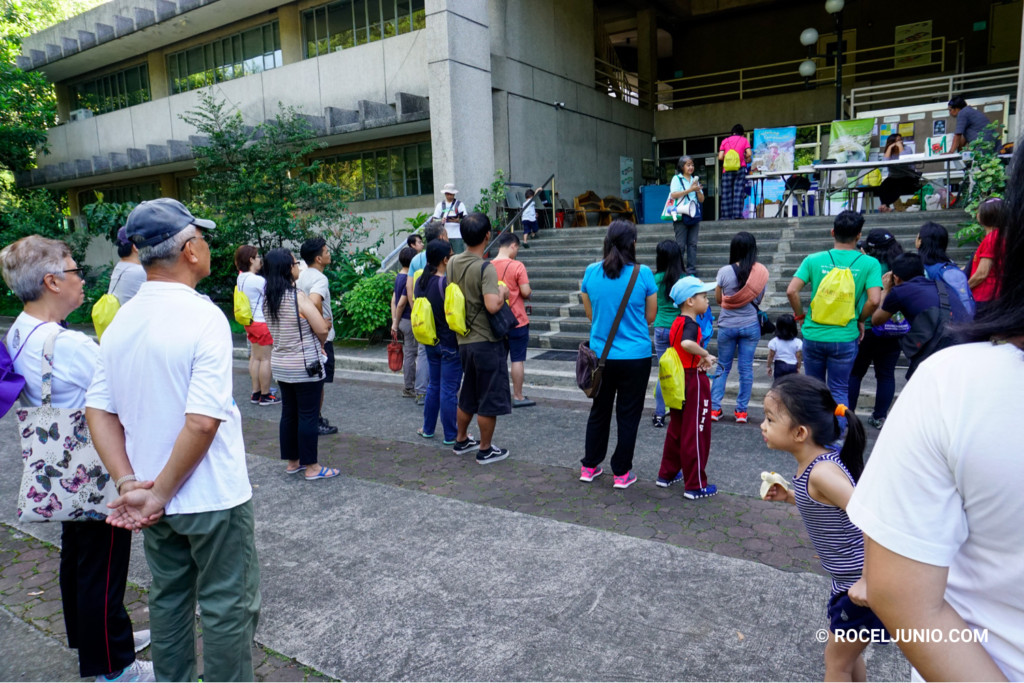
We were divided into three groups and our group’s facilitator is no less than Ms. Menie Odulio, president of the Philippine Native Plants Conservation Society, Inc. She said she’s not a scientist but more of an enthusiast, and what a knowledgeable enthusiast indeed! We also had foresters in our group from Haribon and from Forest Foundation Philippines so we got more info on the characteristics of the trees we’re looking at.
I did feel intimated by all the things I didn’t know about native trees and felt ashamed that I knew more of exotic trees because they were all too common. Mahogany and gmelina, for example, are exotic trees—they are not local species, but we see them everywhere.
RFRI and its member orgs advocate for the use of native trees in rainforestation efforts, as they are more resilient, having lived and survived in our country’s climate for many centuries. Some species of exotic trees, on the other hand, could be invasive and they out-compete native species or alter the ecological balance in an area.
What I like about this tree walk was it’s participatory and that all they ask of you is to be curious about these trees and their traits. As Ms. Menie said, we have to know them to appreciate them as they are a part of our heritage. It’s my first tree walk but I do look forward to doing more and identifying trees better.
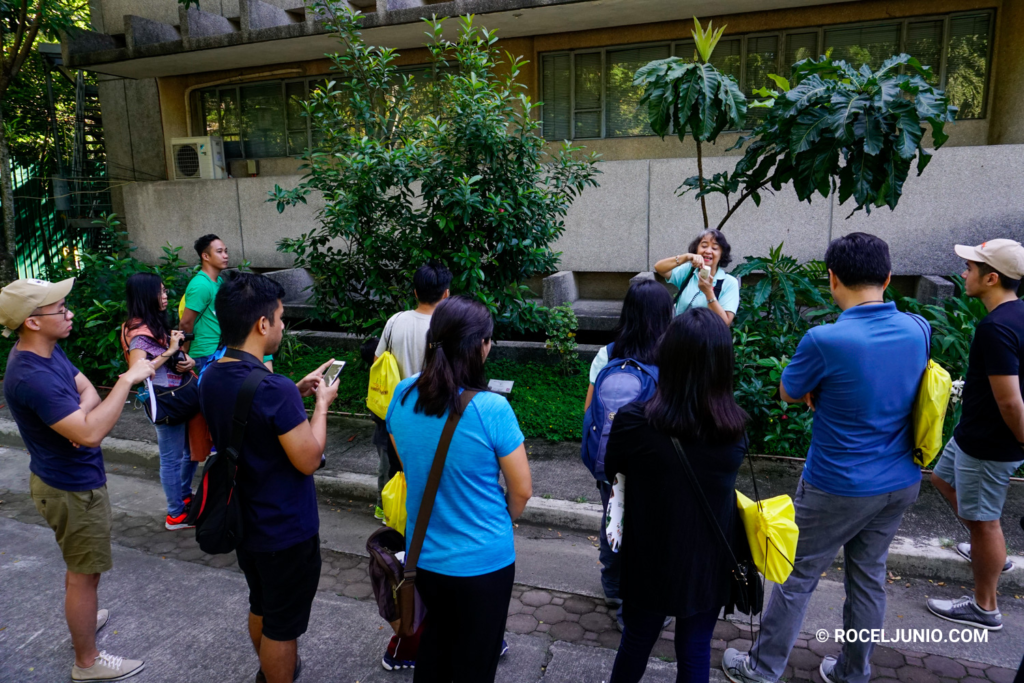
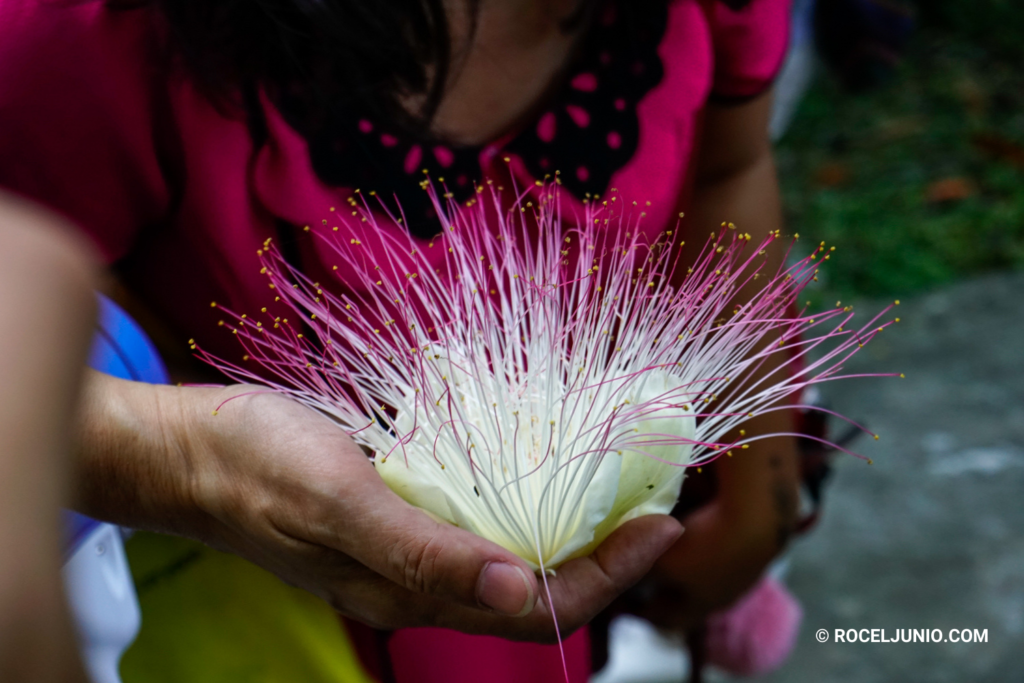
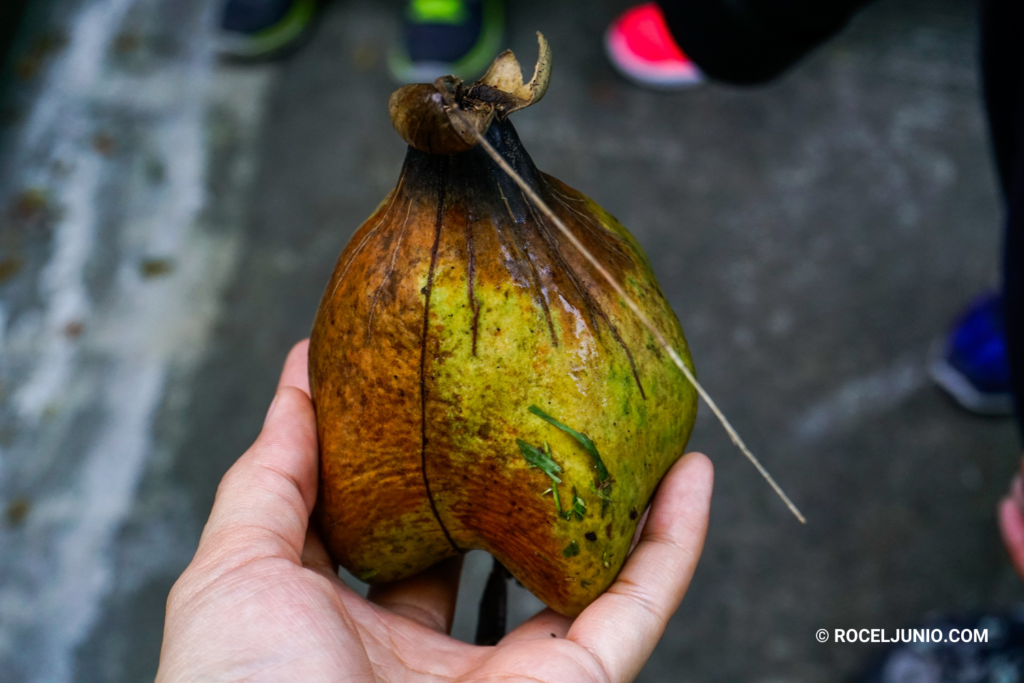
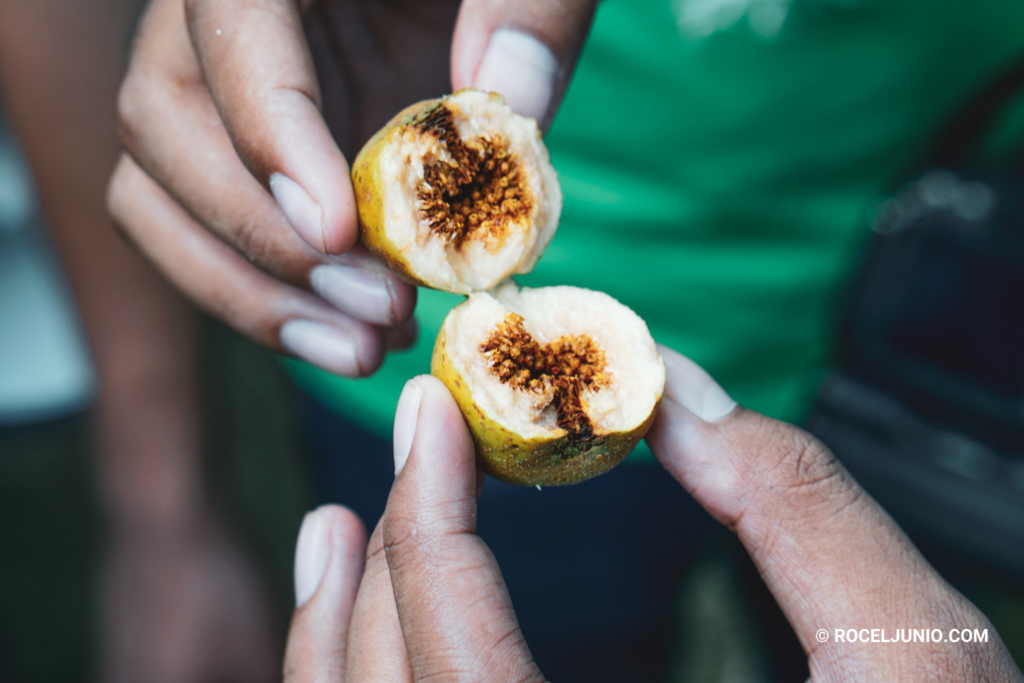
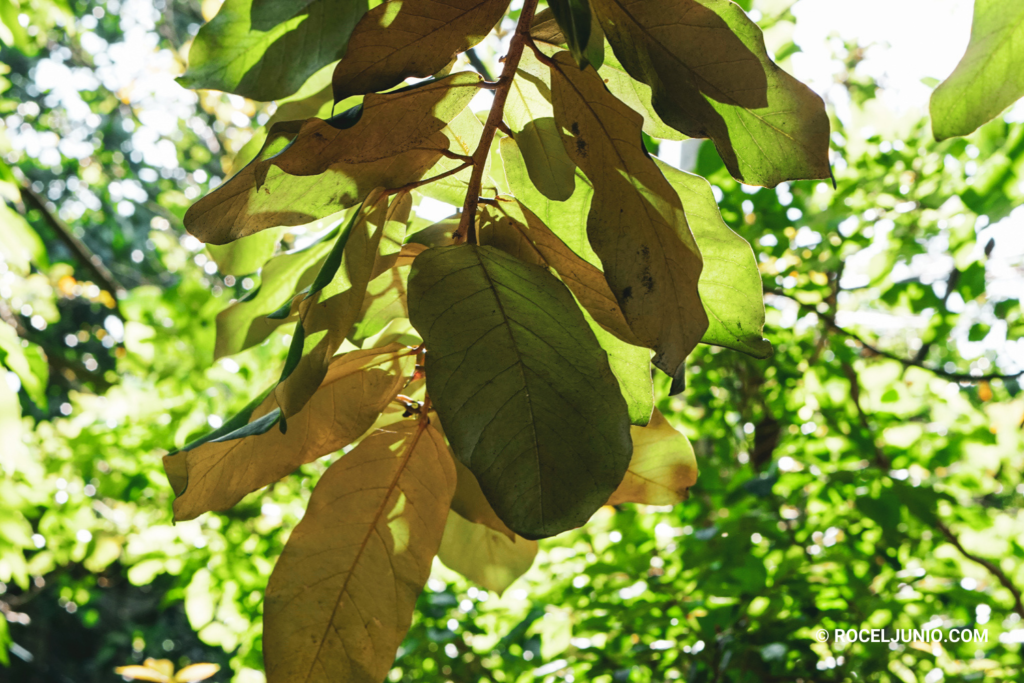
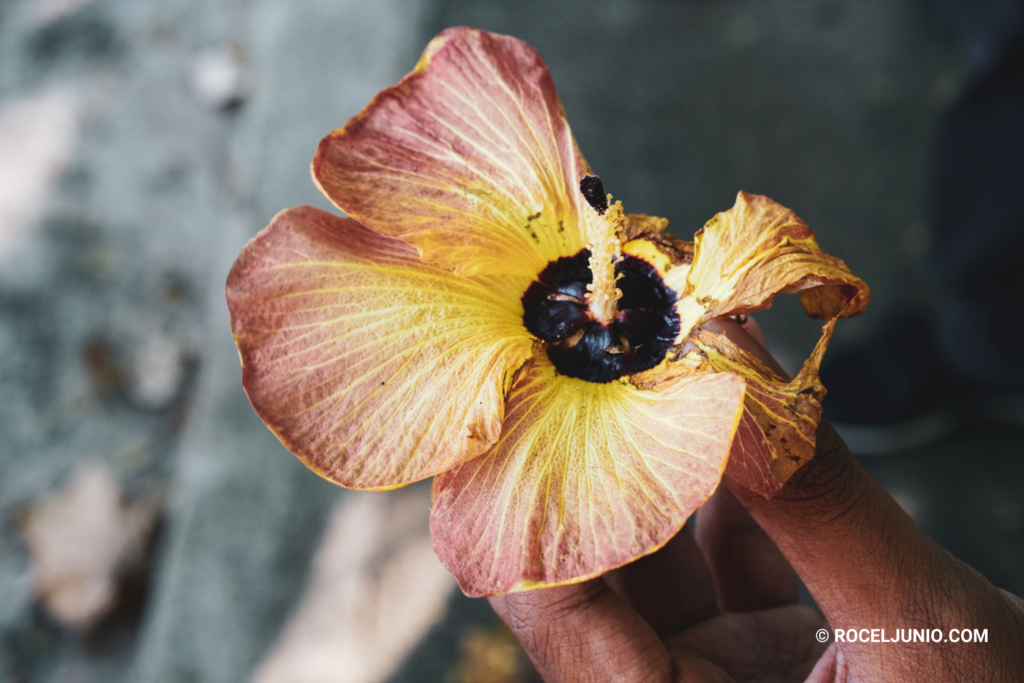
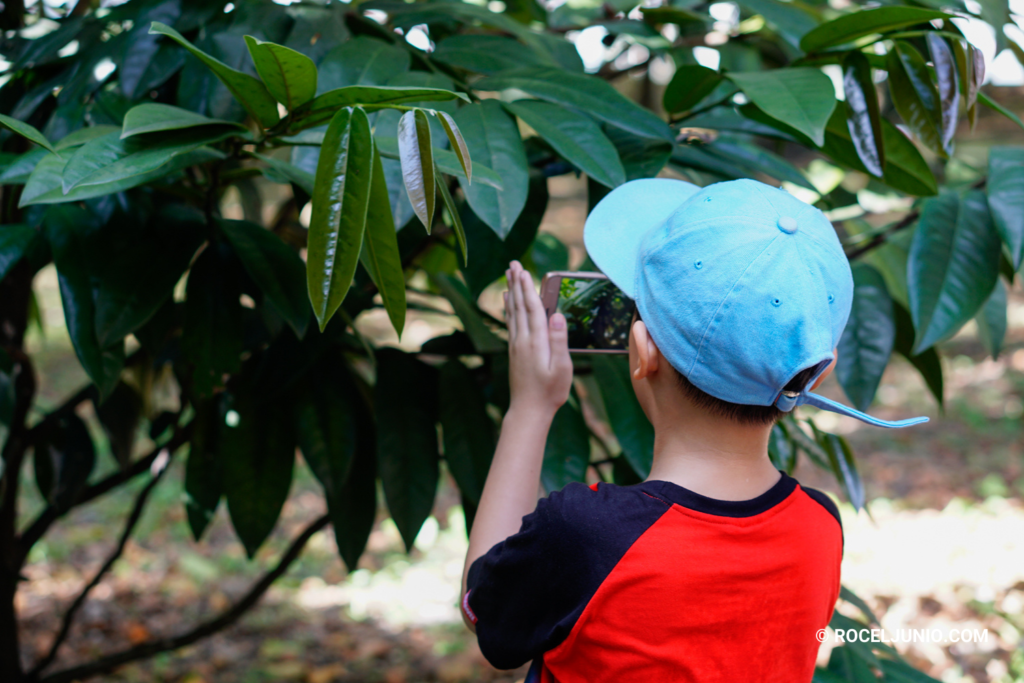
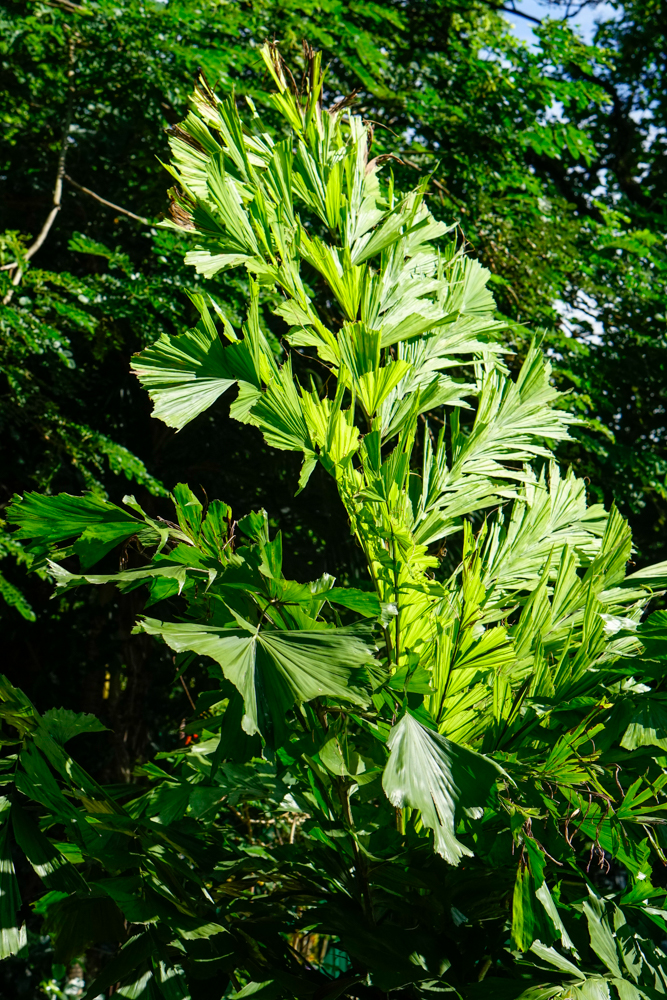
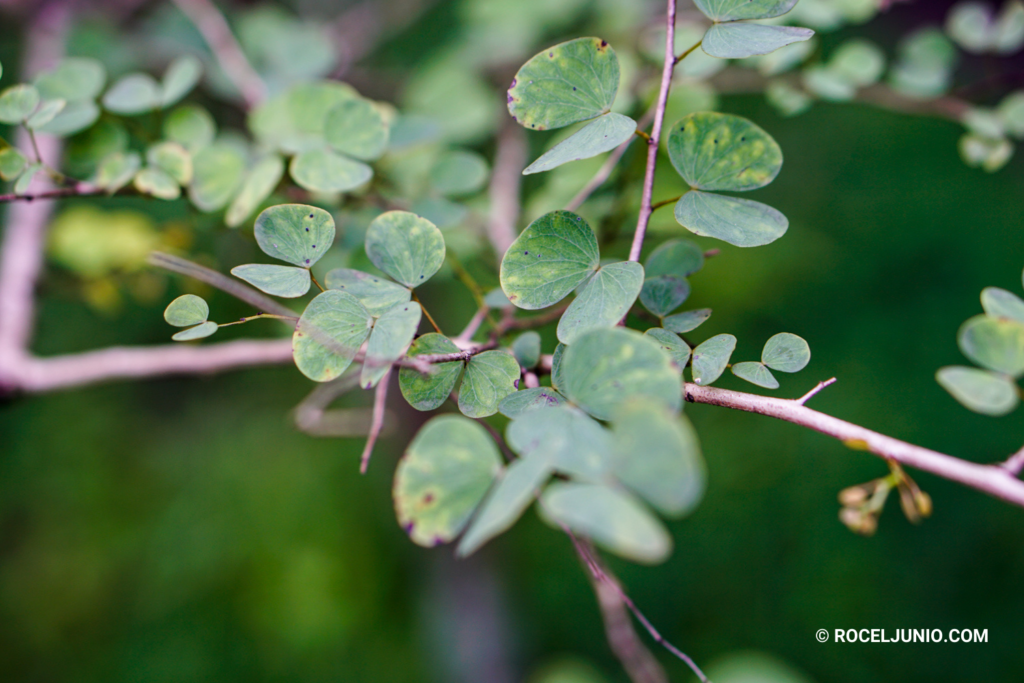
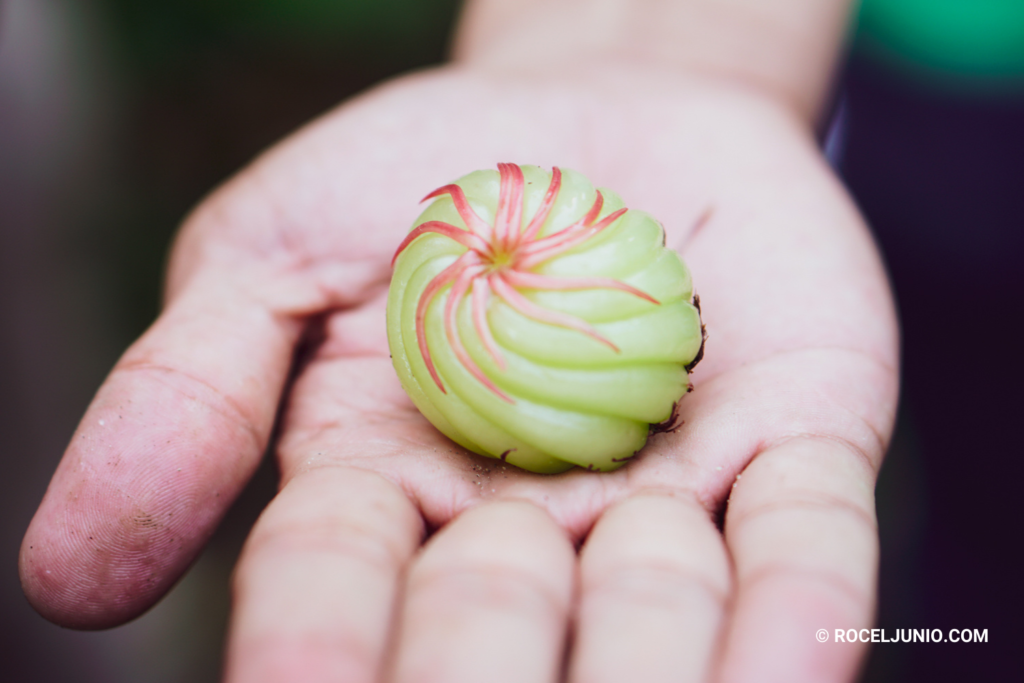
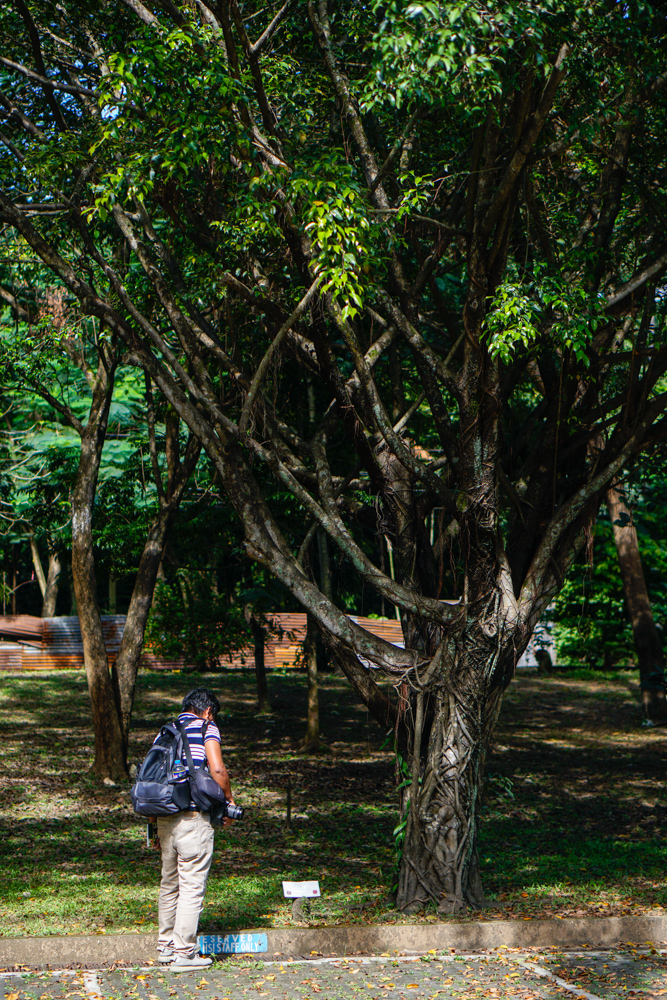
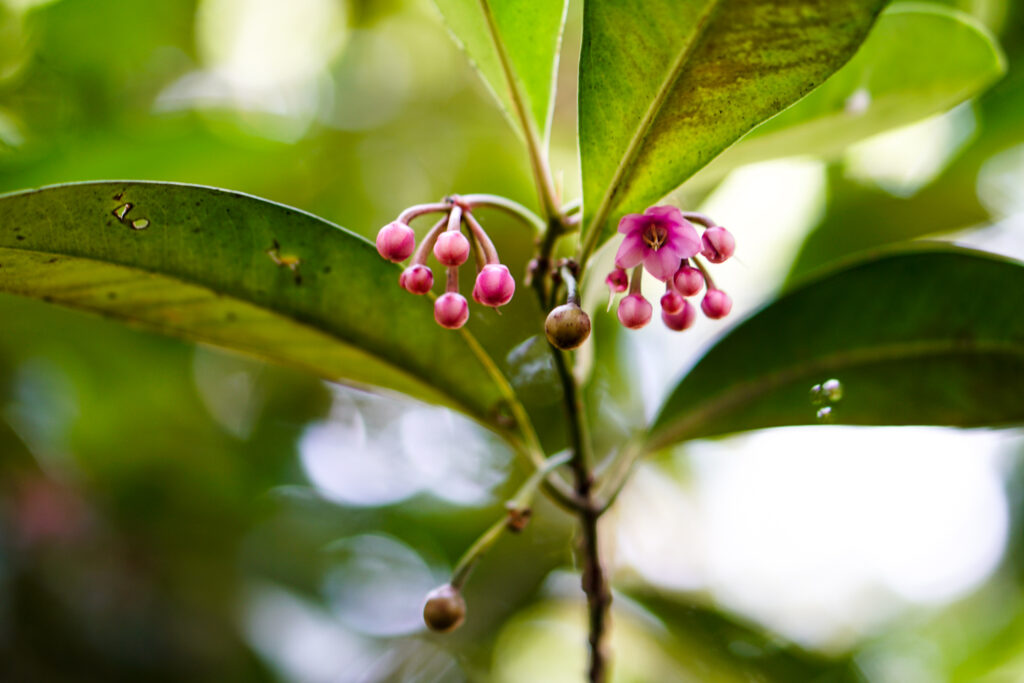
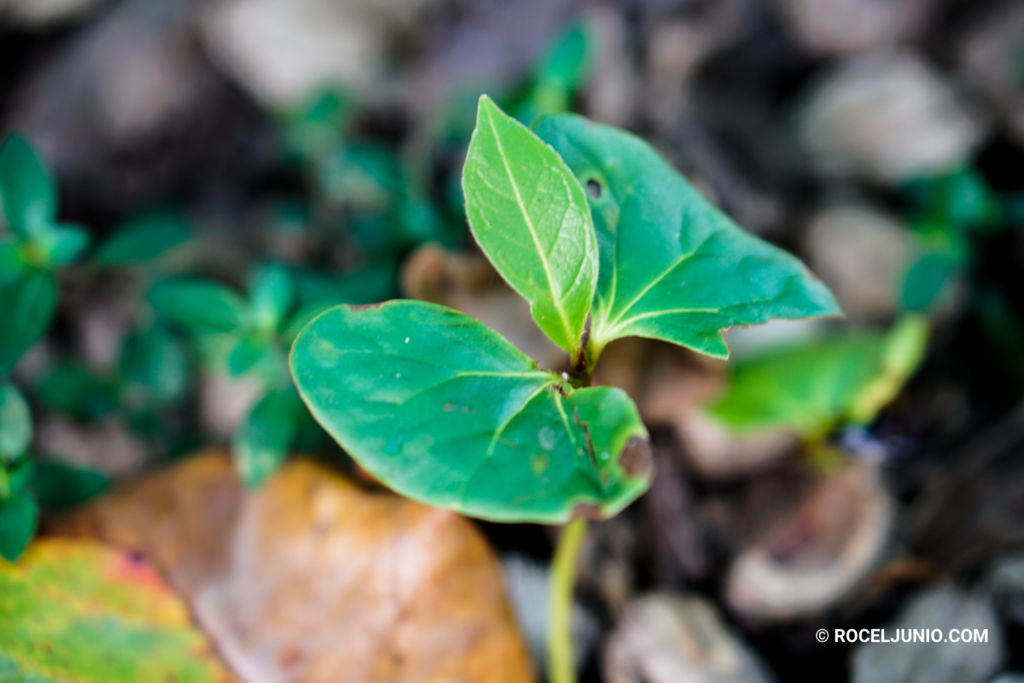
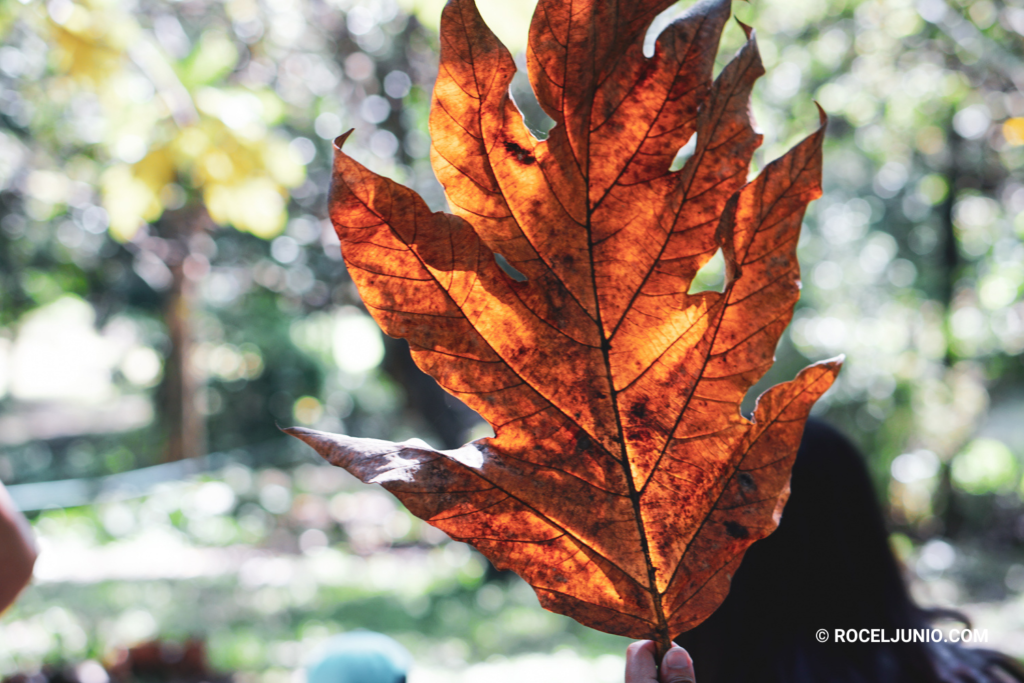
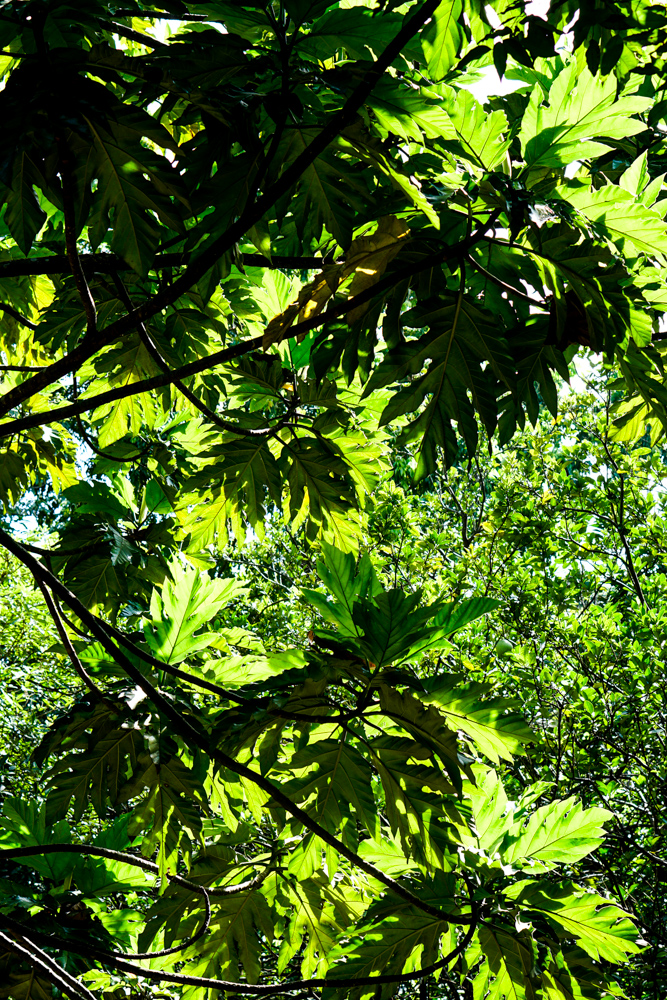
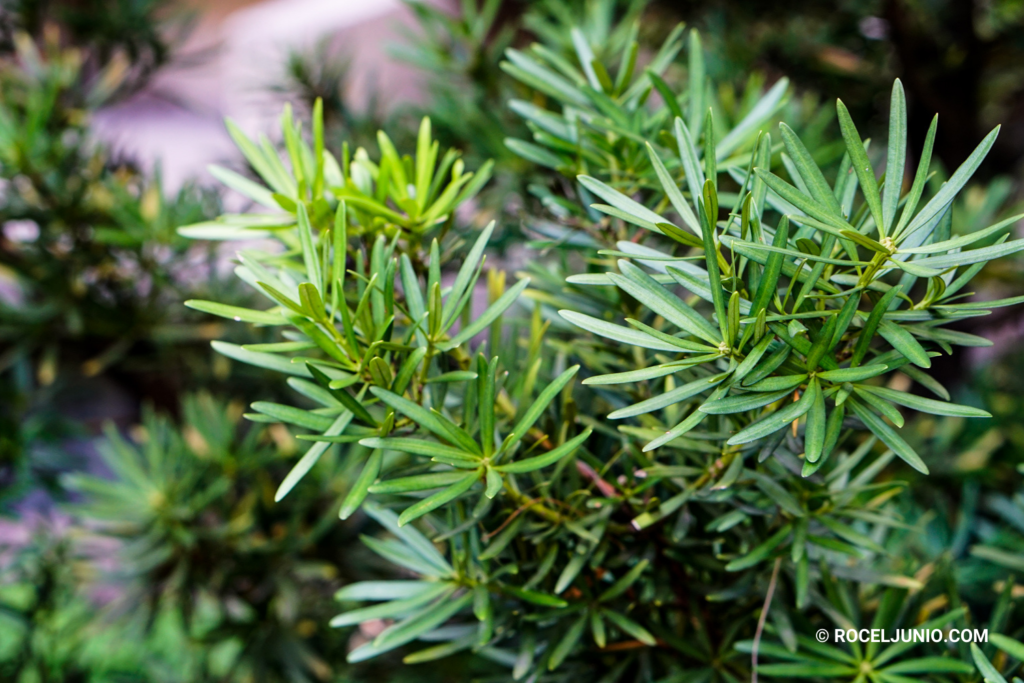
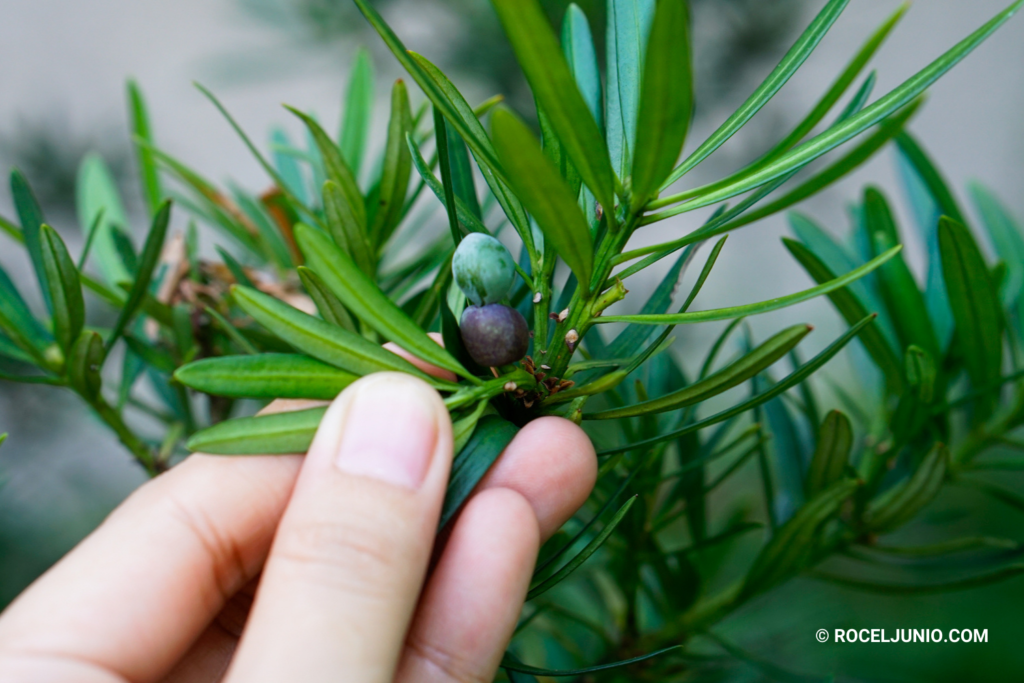
Scroll down below to see some photos I took from the walk and to read trivia from our speaker.