#MyCheveningJourney: How to ace your application to one of the world’s most competitive scholarships
If you are considering applying for the Chevening Scholarship, be prepared for a journey that demands time, energy, and a lot of self-reflection. But trust me, it’s all worth it.

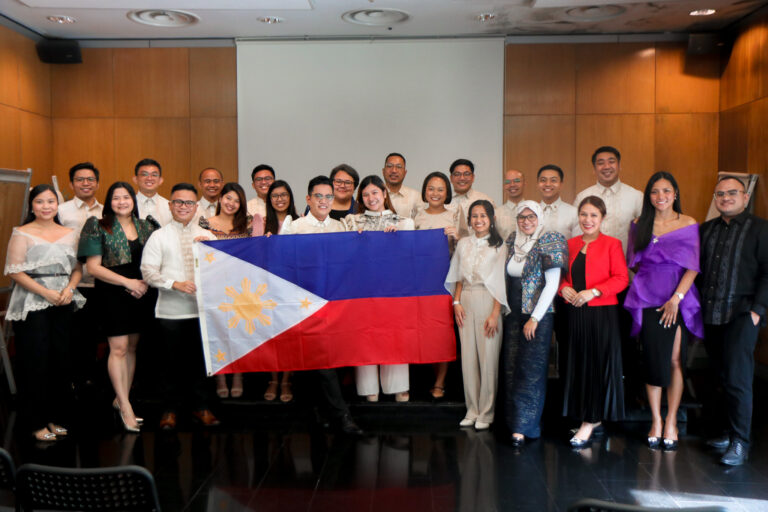
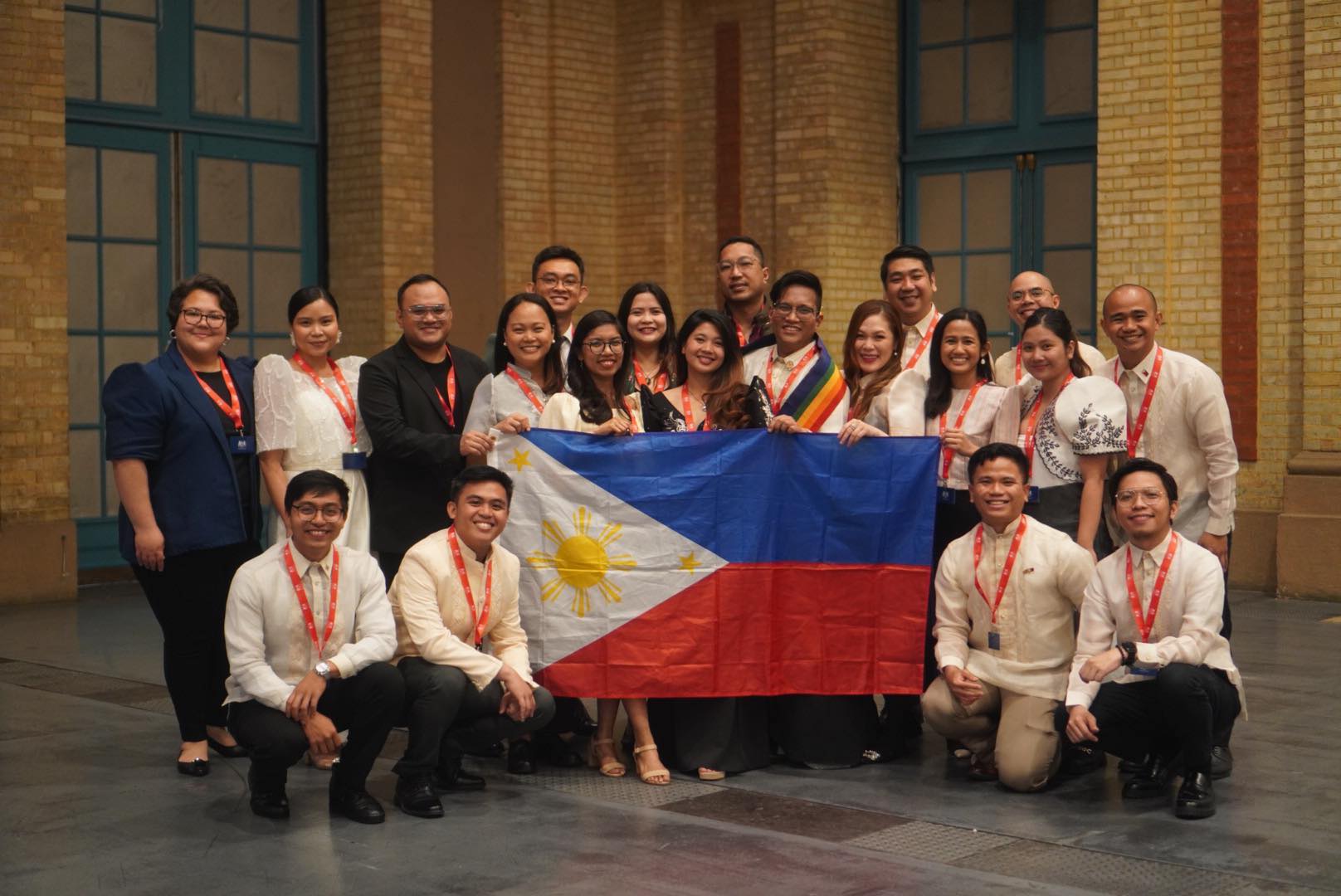
Chevening Scholars 2023-24 from the Philippines 🇵🇭 in the UK
Applying for scholarships for postgraduate studies overseas is no easy feat. The UK Government’s Chevening Scholarship is one of the most competitive scholarships in the world, receiving over 60,000 applications every year but less than 3% or around 1,500 are chosen and awarded the scholarship and its benefits.
There is enormous pressure not only to meet the requirements but to stand out among thousands of high-quality applications. What is unique about Chevening is that it is not based on academic record alone but on four key criteria through which you will share your narrative about yourself, your achievements, and your potential.
If you are considering applying for this prestigious scholarship, be prepared for a journey that demands time, energy, and a lot of self-reflection. The application cycle usually takes about nine months from when the application opens up to the selection of scholars. That’s a long time! It sounds all too consuming, but trust me, it’s all worth it if you are looking for an opportunity to grow professionally and personally.
For those who are eligible to apply, the first step in the application timeline is to lodge your application via the scholarship portal. Chevening’s resource hub has clear instructions and guidance, including common errors to avoid, but here are some of my key tips to ace your essays, university applications, and interview with the Chevening panel.
Step 1: Preparing your essays
Decide early and with conviction
I first heard about the Chevening Scholarship in 2018 from one of my supervisors, who was a previous scholar. She said she had a wonderful experience and would recommend it to anyone. Back then, I did not feel it was the right time in my personal and professional life to take a Master’s degree, so I brushed it off.
But this all changed when I worked at the World Health Organization from 2021 to 2023, at the height of the COVID-19 pandemic. I realised I wanted to contribute more to the field of public health. I have a communications background but I am not a medical professional, and yet I believe this field would benefit more from communications and behaviour change experts given the complexity of issues on health—disinformation, loss of trust in science, communicating during emergencies, politics and diplomacy, and so on.
This time, I knew I would benefit from a Master’s degree in public health. On top of that, universities in the United Kingdom accept students without a medical background. It’s when I have this clarity in my career goals and how a Master’s degree in the UK can help me fulfil these goals that I had the confidence to apply for the scholarship. I was elated and privileged to be awarded the scholarship on my first try.
You will have your own story about why you wanted to study in the UK and apply for this scholarship. Own your story, commit to the process, and learn from the journey.
Research, read, and reflect
A quick search on Google or YouTube can yield thousands of content about applying for the Chevening Scholarship. Before going down the rabbit hole, always refer to Chevening’s resource hub for official information.
Before and while writing my essays, I reflected a lot on three things: passion, purpose, and potential.
- Passion: Share the advocacies, causes, or goals you felt most drawn towards, which are aligned with your beliefs and the principles that you stand up for. It is not only about the hard numbers and the awards, but the ‘why’ behind it all. For me, it was not merely about rolling out national communication campaigns and reaching a certain number of people, but advocating for health services for the most vulnerable people. Digging deeper, this stems from witnessing members of my family and community suffering from chronic diseases and getting into debt because of expensive hospital bills. These inequities and the hopes of helping to address them were the reasons why I was drawn to public health.
- Purpose: In the context of the scholarship, I reflected on my motivation for studying in the UK and why it was the best next step for my career. I highlighted that to be a better health communicator, I must be able to understand technical public health concepts and translate them into practical and actionable insights for the public, policymakers, and others. I also mentioned that the programme I was hoping to study was not available in my country but was available in the UK.
- Potential: Applicants are expected to paint a picture of their potential to be a leader in their field with their specific contribution to solving social issues. This was where I struggled the most, inducing many episodes of ‘imposter syndrome’ as I crafted my life’s narrative. I have been used to working behind the scenes, and I felt uncomfortable with ‘tooting my horn’. I reminded myself that it was not my aim to impress the Reading Committee with grand achievements, but to share my story in the most authentic way possible. It meant including challenging times in my career and how I overcame them. It meant highlighting my contribution to a highly technical field despite my lack of a medical degree. It meant building a case for how an investment in me through this scholarship can lead to social change in my field and my country.
Write and rewrite your essays
You can never be too early to prepare your essays. I remember starting my drafts as early as August and fumbling with a few versions before coming up with decent ones by the end of September. Then in early October, I reached out to Chevening alumni who were my friends and mentors and asked for their comments to improve my essays. They were very generous with their time and their suggestions were very valuable. I spent at least three weeks in October revising my essays before submitting them over a week before the deadline. Prior to contacting former Chevening scholars, make sure you have done your research and have completed your drafts.
The STAR method is the most popular approach for writing essays and for answering interview questions. This resource from Carnegie Mellon University explains the method when used in behavioural or competency-based questions, which is similar to the criteria of the Chevening Scholarship.
- Situation: Provide a brief background or context, ideally in less than three sentences.
- Task: Mention your mission or the challenge you needed to overcome.
- Action: Share the decisions you made, the skills you used, and the solutions you implemented to address the challenge or achieve the goal.
- Result: Reveal your accomplishment and relate it to the essay criteria or the interview question.
This feedback from Chevening’s Reading Committee served as my ‘rubric’ and aimed to meet the general recommendations and the characteristics of strong applications. I found this application advice helpful as well, with notes on plagiarism and using AI for writing essays.
Review your application before submitting
You need time to review all the details of your application before hitting that ‘submit’ button. The application portal slows down on the day of the deadline, so better to do your final checks at least three days before or earlier — from your personal information, your essays, attachments, and other checklists — before releasing it to the powers-that-be at Chevening.
Step 2: Applying to UK universities
Under the ‘Studying in the UK’ criteria, you should have mentioned the top three universities and programmes you are interested in. As mentioned in this Q&A article, the deadlines for applying to programmes differ per university. But there are benefits to applying early. Some programmes have limited slots and waitlists, so lodging your application early gives you some advantage. Some universities also take a while to review your documents and respond. You need enough time to request documents related to your undergraduate studies or reference letters from academic or professional mentors, or take the IELTS (note: Chevening does not require it but some universities do).
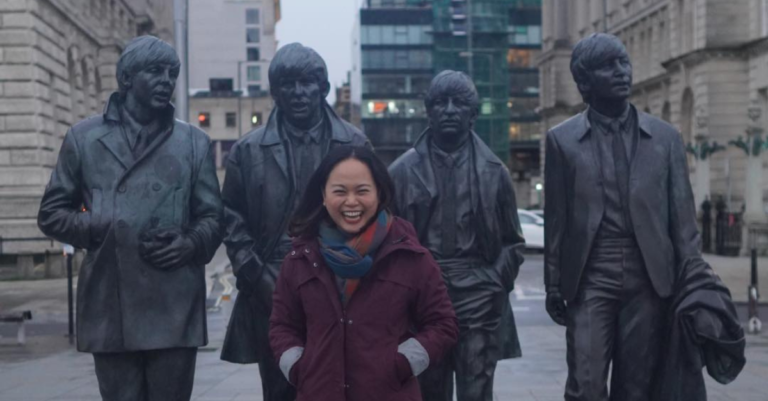
One of my key considerations was to live in a quieter and less expensive city than London. So I was grateful to be admitted into the Master of Public Health programme at the Liverpool School of Tropical Medicine. It was an unforgettable experience indeed to be living and learning in Liverpool.
Step 3: Preparing for the interview
Invitations for the interview are typically released in February or March. If you receive one, congratulations! That is already quite an achievement. This is your chance to ‘seal the deal’, and you have to give it your best shot in front of the Chevening panel. Needless to say, you have to look professional, arrive earlier for security checks, and keep calm but determined.
Learn from the experiences of others
Make time to prepare for the interview, and the easy first step is to read blogs on the Chevening website and watch mock interviews on YouTube. I compiled potential questions from all these sources and thought about what I could highlight about my career and my aspirations if I were asked those questions.
Know your essays inside out
The panel will ask for more details about what you wrote in the essays, so be strategic with the achievements or situations you want to highlight during the interview. Interviews last between 30 to 60 minutes, and if you have pre-determined talking points, you can say so much in less than an hour. Use the STAR approach (situation, task, action, result) in sharing key achievements, and speak in a clear but conversational language. Simplify the technical jargon in your field and emphasise the impact you wish to make as a Chevening Scholar.
Let your personality shine through
This is one tip from a Chevening alumna that I would like to pass on. I tried preparing my talking points and memorising them, but I sounded too rehearsed when I listened to my recording or when I practised with my husband. You can prepare a few keywords for questions from the panel, but give it your own kind of flair and show them how passionate you are about your advocacy and how excited you are to study in the UK. Here are additional tips from Chevening interviewers.
If you made it this far into the blog, thanks for reading! You seem to be very curious about being a Chevening Scholar. If you have any questions that were not answered in this post or by Chevening’s resource hub, email me at contact@roceljunio.com or send me a message on LinkedIn. Wishing you the best on your Chevening journey!