We need climate-smart health workers to protect communities
Safeguarding communities from climate-driven threats requires a health workforce trained to anticipate, respond to, and communicate about the growing impacts of climate change on health.

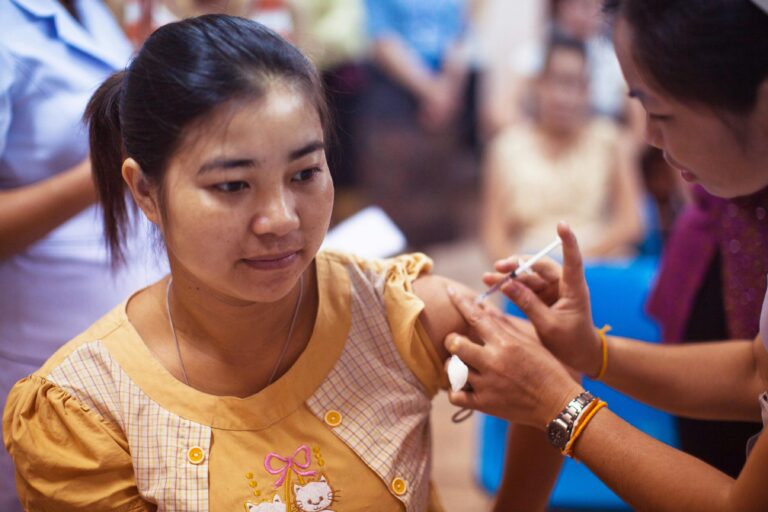
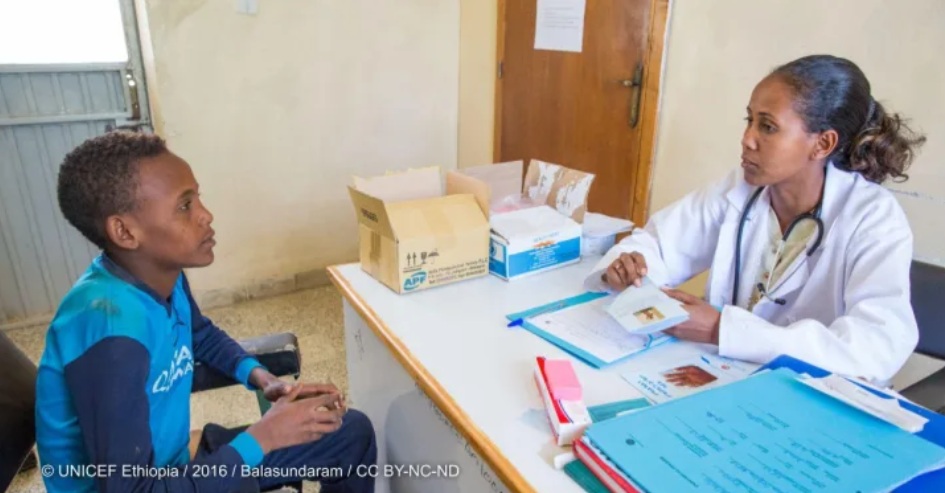
A nurse responding to health issues in drought-affected regions in Ethiopia on April 27, 2016. © UNICEF Ethiopia / 2016 / Balasundaram / CC BY-NC-ND
About this project
In 2025, Dr. Renzo Guinto and I co-wrote this commentary for Devex on the urgent need to build a climate-smart health workforce in the Philippines and Asia Pacific. The spark was the school nurse in Pangasinan, caught completely off guard when students started collapsing from heat exhaustion. I pitched the story idea to him, grounding it in my MPH research on climate-resilient health systems, and timing it for publication on World Health Worker Week 2025. When we submitted to Devex, the editors ran it as written.
In early March 2025, news broke in the Philippines that nearly 40 students from one high school experienced heat exhaustion while at school, prompting local officials to shift to blended classes. The school nurse provided first aid, but she and the school administrators admitted they were caught unprepared by the unexpected early start of the heat wave season. Last year, heat wave-induced school closures occurred in April. Unfortunately, no heat response plans have been developed since then.
This incident highlights a growing reality: The climate crisis is reshaping environments where families and communities live, work, and study. In the past 25 years, heat waves have claimed lives in Australia, China, and South Korea, among others.
The Intergovernmental Panel for Climate Change warns that half of the world’s population lives in climate-vulnerable places, where they are 15 times more likely to die from cyclones, drought, and floods. A U.N. Development Programme report estimated that in 2022, extreme weather events in the Asia-Pacific region affected over 64 million people and caused more than 7,500 deaths.
However, these figures underestimate the full toll of the climate crisis. Illnesses and deaths from post-disaster outbreaks, worsened chronic conditions, or limited access to health services are often excluded from the statistics.
Health workers at the nexus of climate and health
As essential front-line responders, health workers are at the heart of climate-related disasters. However, they are also affected by the climate crisis.
Direct impacts include the physical and mental health risks faced by health workers during emergencies. After Typhoon Haiyan in 2013, health workers in central Philippines also became victims, losing their homes and loved ones. Women, who comprise 70% of the global health workforce, are disproportionately affected by occupational health risks such as heatstroke, cardiovascular and respiratory diseases, and fatigue.
Indirectly, the increased workloads associated with care for climate-driven diseases and injuries lead to stress. Moreover, new health problems call for new skills. For instance, heat-related illnesses are often misdiagnosed, but training and hands-on experience enhance health workers’ ability to manage these conditions. After Pakistan’s 2015 heat waves, health workers improved their patient management protocols, showing how experience-driven learning can lead to better outcomes.
The climate crisis exacerbates health system gaps
The climate crisis exposes and magnifies weaknesses and gaps in health systems — governance, infrastructure, supply chains, and human resources — especially in low- and middle-income countries. Almost 100 countries are off-track in implementing universal health coverage, a goal that becomes harder to achieve amid climate disruptions.
The World Health Organization emphasizes that building climate-resilient and low-carbon health systems requires transformational change beyond merely recovering from climate shocks. With adequate support and agency, a climate-smart health workforce can lead this transformation. In Cambodia, health workers coordinated with community leaders and local authorities during flood response, demonstrating the power of locally driven action.
Three strategies for a climate-smart health workforce
A climate-smart health workforce ensures that people have access to essential health care, even in the face of climate-related disasters and diseases. To build this workforce, governments, development partners, and other stakeholders must prioritize three key strategies.
1. Increase, sustain, and retain health workers. There is a projected shortage of 18 million health workers by 2030. Many left the profession during the COVID-19 pandemic due to factors such as fear of infection, high stress, burnout, and poor working conditions. Furthermore, fewer young people are pursuing health careers, exacerbating the crisis.
As WHO revises the Global Code of Practice on the International Recruitment of Health Personnel, the enhanced code must consider climate-related threats and their implications on health worker migration.
Moreover, retaining health workers, particularly in underserved and climate-vulnerable regions, is critical. Creating enabling environments where health workers feel supported, valued, and equipped to perform their duties enhances motivation and retention.
2. Educate and train health workers to be climate-smart. Despite the growing recognition of climate change as a health issue, most health professionals feel ill-prepared to address climate-related health challenges. A 2020 survey by the International Federation of Medical Students’ Association found that only 15% of medical schools worldwide include climate and health in their curricula.
To bridge this gap, various climate-health competency frameworks have emerged, recommending integrating mitigation and adaptation strategies into clinical care and health care management. The Global Consortium on Climate and Health Education has trained thousands of professionals worldwide through online climate and health courses focused on knowledge and solutions.
3. Protect health workers from climate-related risks. As they protect population health, health workers must also be protected from the direct and indirect effects of climate-related events. After Australia’s 2019-2020 bushfires, recovery grants enabled health workers to gain training that improved their self-efficacy and well-being.
Providing mental health support, occupational hazard protection, and safe working conditions is essential to prevent burnout, reduce turnover, and address staffing shortages. Without such safeguards, the resilience of the health workforce — and the health system itself — will be compromised.
A climate-smart health workforce does more than protect lives during emergencies — it strengthens the foundations of health systems, ensuring that communities remain resilient in the face of an unpredictable climate. Urgent investments and coordinated actions are needed to equip health workers with the knowledge, skills, and capacities to protect our communities — now and in the future.