Cognitive biases shaping health behaviors: an equity-centered guide
What behavioral science gets right and what it misses when community is the context

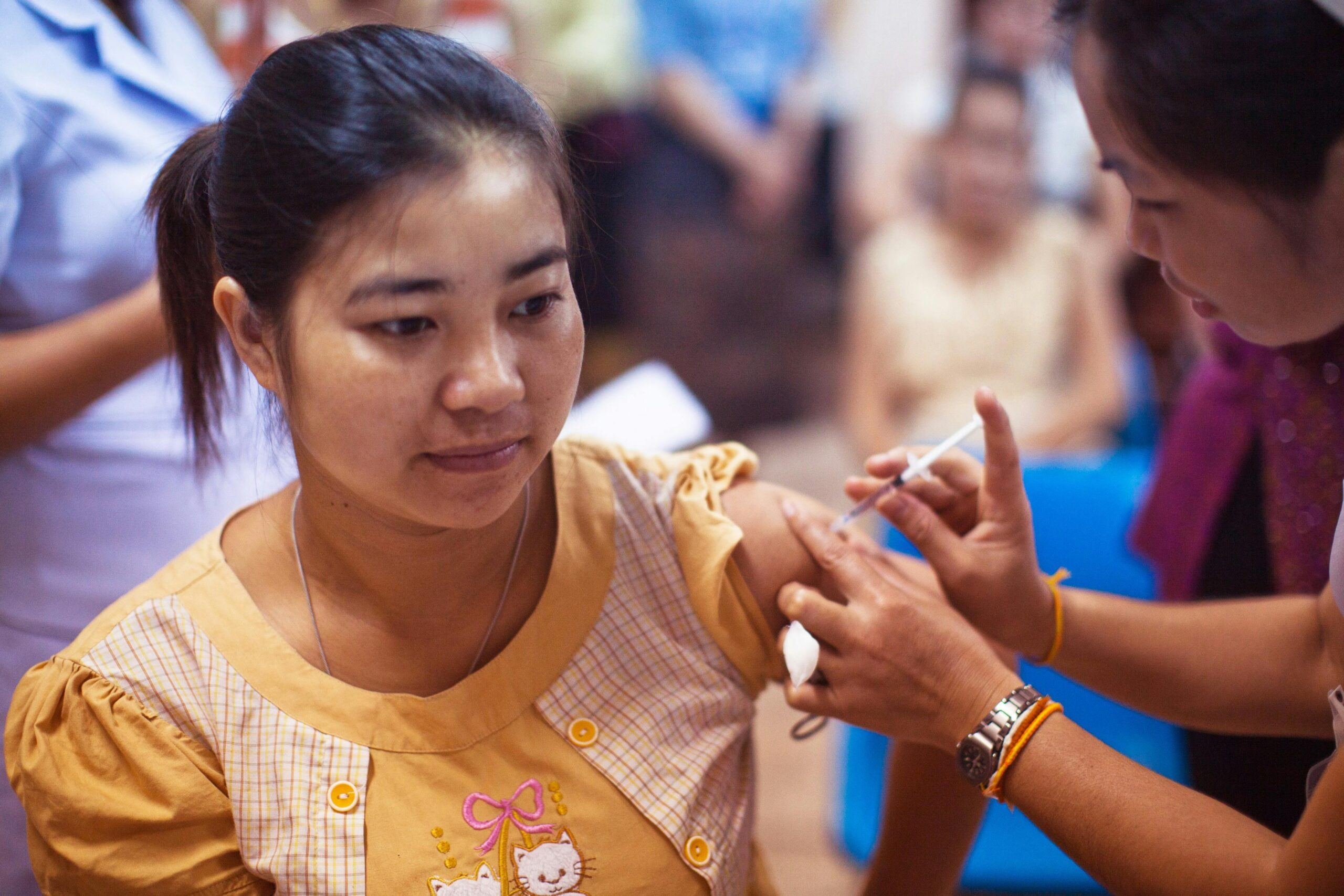
A nurse gives a vaccine to a patient. © CDC/Pexels
In 2003, severe acute respiratory syndrome (SARS) affected Hong Kong, Singapore, Taiwan, and parts of mainland China. By mid-2003, the epidemic resulted in over 8,000 cases and nearly 800 deaths across 29 countries and regions. This experience provided a generation of people in East and Southeast Asia with a profound understanding of the impact of outbreaks on communities.
When COVID-19 emerged 17 years later, people in these communities put on masks as naturally as grabbing an umbrella when it rains. This habit was already part of their shared memory and had become normal through past experience. It was an unspoken agreement: you protect me, I protect you.
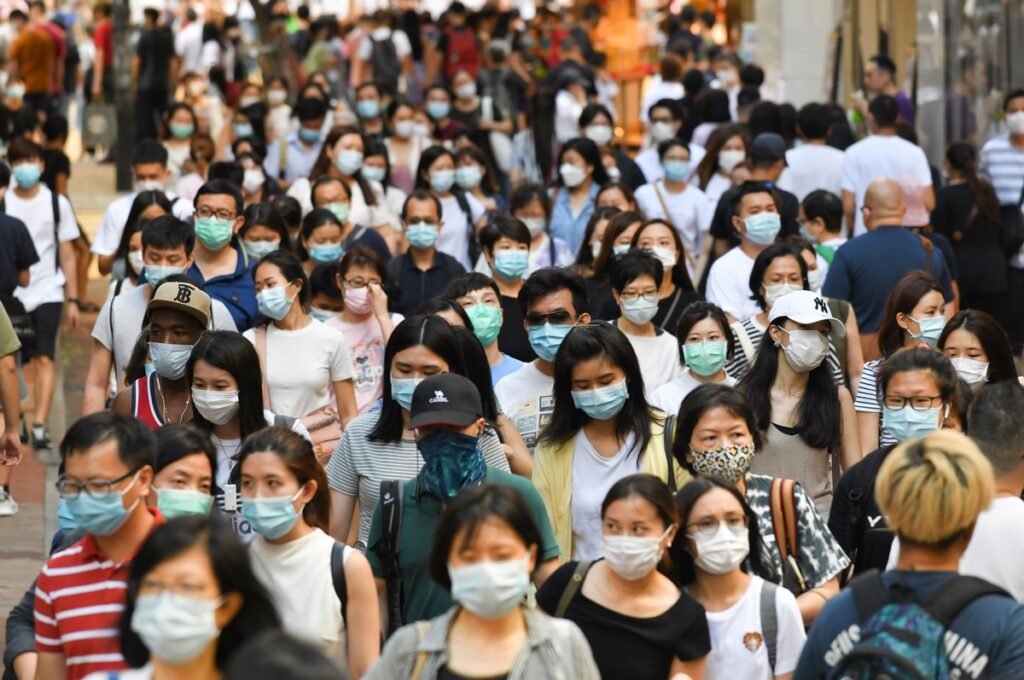
In Europe and North America, public health agencies faced a different challenge. They had to persuade people who viewed wearing masks as a personal choice instead of a shared responsibility. The science is the same, but people’s health decisions were shaped by different beliefs.
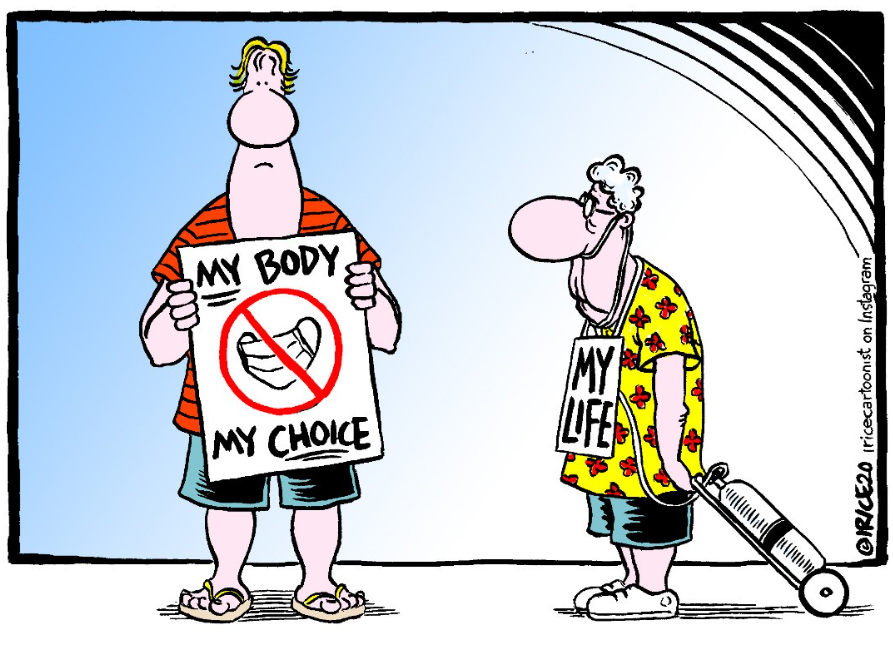
Cognitive biases partly shape those beliefs. They are mental shortcuts we use to process information and make decisions in the face of uncertainty. They are useful in everyday life, but can lead us astray when stakes are high.
Amos Tversky and Daniel Kahneman first studied these biases in the 1970s. Since then, research has shown that they exist across cultures, educational levels, and income groups. In health communication, these biases influence which risks people take seriously, whose advice they trust, and whether they try new behaviors.
Most behavioral science models look at individuals making decisions on their own, often drawing on research from Western, Educated, Industrial, Rich, and Democratic (WEIRD) populations. But in the Asia Pacific region, health choices typically involve families, communities, religious groups, and social connections. Cultural evolutionary behavioral science and systems thinking offer frameworks that account for this.
This guide explains 10 of the most studied biases in behavioral science and health communication. For each bias, it shows how it shapes health decisions in community settings and how public health professionals and communicators can respond. You do not have to read the guide in order. You can skip to the bias that matters most for your work or explore any that interest you.
Ingroup bias: “I trust the people who are like me.”
Bandwagon effect: “Everyone’s doing it, I don’t want to be left behind.”
The bandwagon effect is the tendency to adopt behaviors, beliefs, or opinions primarily because others are doing so, regardless of one’s own judgment. As an idea or behavior gains popularity, the pressure to conform grows stronger.
This happens through two overlapping mechanisms, according to Morton Deutsch and Harold Gerald. The first is informational social influence (assuming that if many people are doing something, it must be correct), and the second is normative social influence (the desire to belong and avoid being left out).
The bandwagon effect is closely related to social proof, the broader tendency to look to others for guidance when we are unsure what to do. Where social proof describes the mechanism, the bandwagon effect describes the bias: following the majority even when doing so overrides personal judgment or available evidence. Fear of missing out (FOMO) — the anxiety of being excluded from what others are experiencing — makes both stronger, pushing people to adopt prevailing norms even without examining them closely.
When a behavior becomes visibly common, it pulls others toward it. Research on social influences on physical activity has found that exposure can draw people toward both healthy and unhealthy behaviors. Moderately active people can pull sedentary peers into exercise, but the reverse is equally true.
Studies on parkrun, a free community running initiative operating across Asia Pacific, Africa, and Europe, found that social reward and a sense of community belonging were strongly associated with exercise enjoyment and sustained participation. The visible norm of communal running made running feel like something ordinary people do together and not a discipline reserved for athletes.
The same dynamic drives harmful health behaviors. A scoping review of adolescent and young adult vaping found that young people are often introduced to vaping through siblings and peers, with social inclusion as a clear motivation. Research on social networks and e-cigarette use confirmed peer vaping exposure as the strongest predictor of initiation. Tobacco use in Southeast Asia works the same way. In Indonesia, smoking is deeply tied to norms of manhood and sociality. Men who do not smoke risk being seen as less masculine, making quitting feel like stepping off the bandwagon of community identity.
In community contexts, the bandwagon effect is stronger because social ties are closer and group belonging matters more. A large-scale study across 67 countries found that people in more collectivist regions were more likely to wear masks during COVID-19 because protecting the group is part of how those communities see themselves. Research on social networks and health behavior found that once a community adopts a health behavior, it can become part of the group’s identity, and the group works to maintain it.
The bandwagon can move in harmful directions just as powerfully. In Asian communities in the United States, delays in seeking mental health care are sustained by shared norms around shame and social reputation. When no one in the community talks openly about mental health, help-seeking stays invisible, and invisibility reinforces the norm.
Understanding which bandwagon is already moving and in which direction is essential before designing any health program or campaign.
Pay attention to this bias when designing services or campaigns for health behaviors that are not yet widely practiced in a community, and when harmful norms persist despite accurate information.
Make the desired behavior visibly normal. The bandwagon effect requires seeing others already doing it. Use community members to demonstrate the behavior. Make uptake data local and specific: “Eight out of 10 families in this barangay have already done this” is more powerful than a national figure. The reference group needs to feel close enough to matter.
Lead with peers. In communities where institutional trust is low, an authority figure endorsing a behavior can create distance rather than connection. A peer from the same community, the same life stage, the same social position, is more persuasive.
Manage the reverse bandwagon. If anti-health sentiment is visibly dominant on social media or in community spaces, it creates its own bandwagon. Counter it by making pro-health behavior equally visible. South Korea’s COVID-19 vaccination campaign succeeded in part by consistently emphasizing social norms and prosocial behaviors, with some help from K-pop fandoms.
Thank you, #BTS for the uplifting #BTS_Dynamite and for reminding the #BTSARMY and the rest of us to #WearAMask and take care of our health and well-being during this #COVID19 pandemic. pic.twitter.com/BxsSkYx3rS
— Tedros Adhanom Ghebreyesus (@DrTedros) August 21, 2020
Activate networks of obligation deliberately. Asking someone to model a behavior publicly in a community setting is asking them to use their social capital. Be clear about why you are asking, what you want them to do, and how it serves the community.
Most bandwagon effect research draws from electoral behavior, consumer psychology, and social media. Health-specific evidence remains limited. Research on social norms and physical activity finds that social norms are theoretically important for behaviors like exercise and healthy eating, but real-world evidence is inconsistent. Whether people are influenced by close peers, neighborhood norms, or broader social media trends differs significantly by context.
How to identify and activate the most relevant bandwagon for a given community and health behavior, and how to sustain it once momentum builds, remains an important open question for public health professionals and communicators.
- Ball, K., Jeffery, R.W., Abbott, G., et al. (2010). Is healthy behavior contagious: associations of social norms with physical activity and healthy eating. International Journal of Behavioral Nutrition and Physical Activity, [online] 7(1), p.86. doi:https://doi.org/10.1186/1479-5868-7-86.
- Biles, J., Kornhaber, R., Irwin, P., et al. (2025). Perspectives, motivations, and experiences of adolescents and young adults using nicotine vapes: a qualitative review. Health Promotion International, [online] 40(2). doi:https://doi.org/10.1093/heapro/daaf007.
- Chang, H., Pham, B. and Ferrara, E. (2021). Parasocial diffusion: K-pop fandoms help drive COVID-19 public health messaging on social media. arXiv (Cornell University), 37-38. doi:https://doi.org/10.1016/j.osnem.2023.100267.
- Davis, A.J., MacCarron, P. and Cohen, E. (2021). Social reward and support effects on exercise experiences and performance: Evidence from parkrun. PLOS ONE, [online] 16(9). doi:https://doi.org/10.1371/journal.pone.0256546.
- Deutsch, M. and Gerard, H.B. (1955). A Study of Normative and Informational Social Influences upon Individual judgment. The Journal of Abnormal and Social Psychology, 51(3), pp.629–636. doi:https://psycnet.apa.org/doi/10.1037/h0046408.
- Elhai, J.D., Yang, H. and Montag, C. (2020). Fear of missing out (FOMO): overview, theoretical underpinnings, and literature review on relations with severity of negative affectivity and problematic technology use. Brazilian Journal of Psychiatry, [online] 43(2). doi:https://doi.org/10.1590/1516-4446-2020-0870.
- Hong, S.-A. (2023). COVID-19 vaccine communication and advocacy strategy: a social marketing campaign for increasing COVID-19 vaccine uptake in South Korea. Humanities and Social Sciences Communications, 10(1), pp.1–9. doi:https://doi.org/10.1057/s41599-023-01593-2.
- Latkin, C.A. and Knowlton, A.R. (2015). Social Network Assessments and Interventions for Health Behavior Change: A Critical Review. Behavioral Medicine, 41(3), pp.90–97. doi:https://doi.org/10.1080/08964289.2015.1034645.
- Lu, J.G., Jin, P. and English, A.S. (2021). Collectivism predicts mask use during COVID-19. Proceedings of the National Academy of Sciences, 118(23). doi:https://doi.org/10.1073/pnas.2021793118.
- Mema, E., Spain, E.S., Martin, C.K., et al. (2022). Social influences on physical activity for establishing criteria leading to exercise persistence. PLOS ONE, 17(10), p.e0274259. doi:https://doi.org/10.1371/journal.pone.0274259.
- Naito, T., Chin, J., Kim, T.U., et al. (2020). Further Reduction in Help-Seeking Behaviors Amidst Additional Barriers to Mental Health Treatment in Asian Populations: A Contemporary Review. Cureus. doi:https://doi.org/10.7759/cureus.11455.
- Piombo, S.E., Barrington-Trimis, J. and Valente, T.W. (2023). Impact of social networks and norms on e-cigarette use among adolescents in Southern California: a prospective cohort study. BMJ Public Health, [online] 1(1). doi:https://doi.org/10.1136/bmjph-2023-000163.
Authority bias: “I follow those I trust.”
Authority bias is the tendency to give greater weight to the opinions of people who appear to be in authority, regardless of the quality of their reasoning or evidence. It is why a doctor’s recommendation carries more weight than a neighbor’s, why government guidance shapes behavior even when it is vague, and why the same health information lands differently depending on who delivers it.
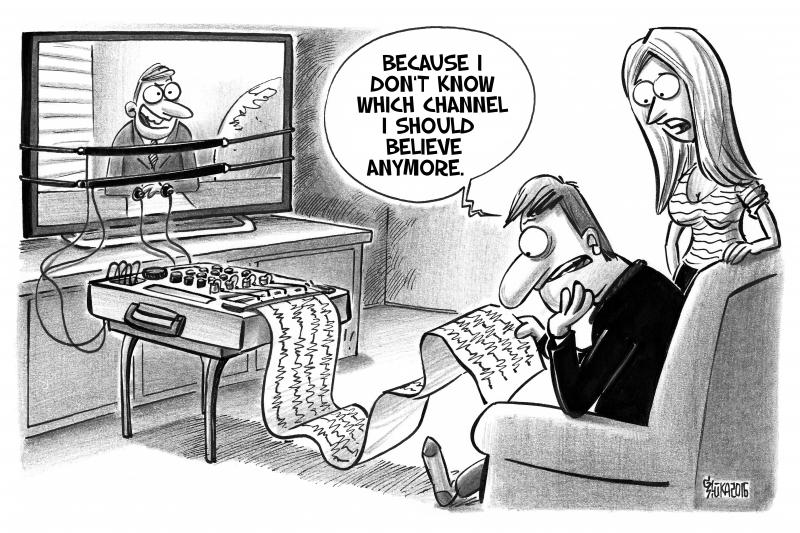
When we are uncertain, we tend to defer to those who appear to know. In health settings, this can be useful. Deferring to trained health professionals saves time and usually produces better outcomes. But authority bias also means that authority figures can cause harm when they give wrong information, and that correcting authority-endorsed misinformation is significantly harder than correcting misinformation from anonymous sources.
A study on medical populism in the Philippines documented how local politicians promoted unproven COVID-19 remedies — including steam inhalation and ivermectin — by positioning themselves as champions of ordinary people against elite health establishments. Their authority came not from clinical expertise but from their political standing.
Research on health misinformation across South Asia found similar patterns, with national-level political figures in Bangladesh downplaying the COVID-19 threat and spreading misinformation. This led directly to reduced compliance with public health measures. The same mechanism that makes authority bias useful in health communication makes it dangerous when those in positions of influence do not have the community’s health interests at heart.
In Asia Pacific communities, who holds authority in health decisions is rarely determined by formal credentials alone. Gallup data from Southeast Asia found that 22% of Filipinos and 19% of Cambodians trust family and friends most for health guidance. Family authority operates at least as powerfully as clinical authority in many communities.
A government health officer may hold formal authority but low community standing, while a traditional healer, religious leader, or community elder carries more actual influence. For example, research on traditional healers in the Pacific found they are often the first point of contact for communities with limited access to formal health services, and can direct people to higher levels of care.
A systematic review confirmed that religious leaders are among the most effective drivers of vaccine acceptance in Muslim communities when they endorse it. In Indonesia, the Ulema Council’s fatwa strategy of using both religious narrations and scientific evidence in support of COVID-19 vaccines was effective in encouraging people to get vaccinated.
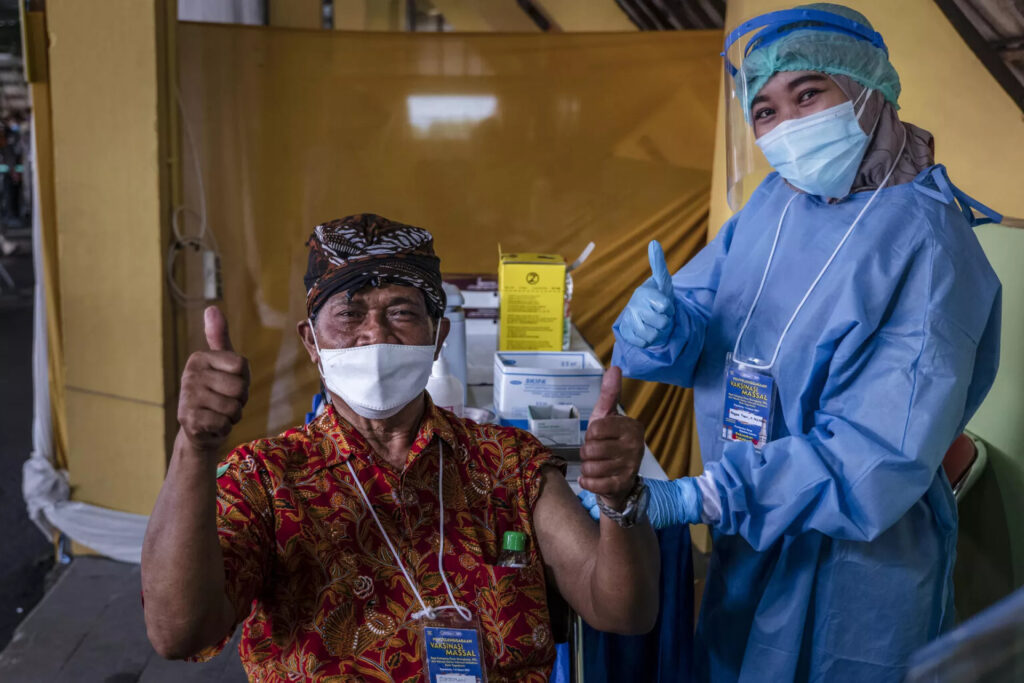
On the other hand, when institutional authority fails, the consequences extend far beyond the immediate program. The Dengvaxia controversy is a case in point. In 2017, the Philippine government launched a school-based dengue vaccination program, but later stopped it after the manufacturer revealed the vaccine could make dengue worse for people who had not been previously infected. Trust in routine immunization collapsed, and vaccination rates for other childhood vaccines dropped sharply in the years that followed.
Pay attention to this bias when selecting messengers, when authority-endorsed misinformation is spreading, and when health messages from formal institutions are being ignored.
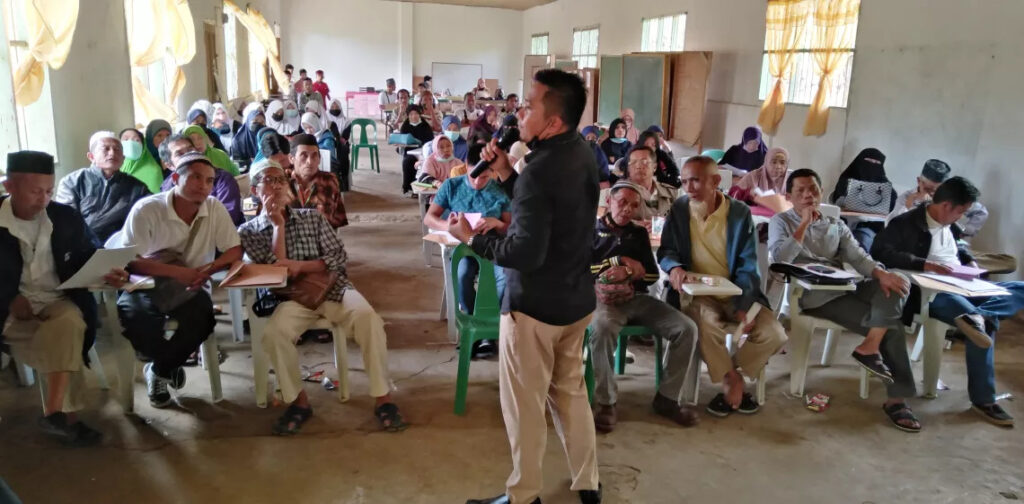
Find out who the community actually listens to. Before launching a service or a campaign, consult community members to identify who they turn to for health decisions. Stakeholder mapping and power analysis are recognized steps in health program design that can help surface both formal and informal authorities.
Work with informal authority to counter misinformation. If a religious leader or elders carry authority in a community, engage them as partners. Misinformation endorsed by an authority figure is most effectively countered by someone the community trusts equally or more. Research on community-based health interventions in Indonesia found that integrating health messages into the spaces and relationships where informal authority already operates consistently outperformed campaigns relying on formal institutional authority alone.
Be transparent about what you do not know. In communities with justified skepticism of institutional authority, research shows that communicating uncertainty and acknowledging what is known and what is not builds more trust than projecting confident expertise. Failure to communicate uncertainty at the outset can make the eventual loss of trust worse when evidence changes.
Behavioral science literature tends to treat authority as a property of individuals, such as credentials, titles, or expertise. What is missing is a framework for understanding how authority operates through relationships and history in community settings. We do not yet have strong evidence on how to build legitimate authority in communities where institutional credibility is genuinely low.
- Ali Sheikhi, R., Heidari, M. and Doosti, P. (2025). The role of religious leaders in the acceptance of COVID-19 vaccinations: a systematic review. BMC Public Health, 25(1). doi:https://doi.org/10.1186/s12889-025-23947-y.
- Atabik, A. and Muqtada, M.R. (2024). Maqashid Quran’s critical view on Indonesian Ulema Council’s fatwa on Halal certification of COVID-19 vaccine. HTS Teologiese Studies / Theological Studies, 80(1). doi:https://doi.org/10.4102/hts.v80i1.9050.
- Banchoff, K., Muktar, S.A., Perry, K.E., et al. (2025). Stakeholder mapping for a complex and diverse population: methodology for identifying leaders across sub-Saharan Africa. BMC Public Health, 25(1). doi:https://doi.org/10.1186/s12889-025-23026-2.
- Berkeley.edu. (2018). Power Analysis. [online] Available at: https://belonging.berkeley.edu/transformative-research-toolkit/power-analysis.
- Cipta, D.A., Andoko, D., Theja, A., et al. (2024). Culturally sensitive patient-centered healthcare: A focus on health behavior modification in low and middle-income nations—insights from indonesia. Frontiers in Medicine, [online] 11(1353037), pp.1–7. doi:https://doi.org/10.3389/fmed.2024.1353037.
- Dries, C., McDowell, M., Rebitschek, F.G. and Leuker, C. (2024). When evidence changes: Communicating uncertainty protects against a loss of trust. Public understanding of science (Bristol, England), [online] 33(6), pp.777–794. doi:https://doi.org/10.1177/09636625241228449.
- Gala, B., Islam, Md.A., Gamage, R. and Agarwal, N.K. (2022). Health Information Crisis during COVID‐19 in the South Asian Region: Challenges, Experiences, Resilience, and Collaborative Efforts. Proceedings of the Association for Information Science and Technology, 59(1), pp.570–574. doi:https://doi.org/10.1002/pra2.629.
- Halstead, S., Katzelnick, L., Russell, P., et al. (2020). Ethics of a partially effective dengue vaccine: Lessons from the Philippines. Vaccine, [online] 38(35), pp.5572–5576. doi:https://doi.org/10.1016/j.vaccine.2020.06.079.
- Lasco, G., Co, A.K.T., Hui, H.I.S. and Yu, V.G. (2026). Medical populism and local governments during the COVID-19 pandemic. Discover Public Health, 23(1). doi:https://doi.org/10.1186/s12982-026-01663-1.
- MacKay, M., Colangeli, T., Thaivalappil, A., et al. (2021). A Review and Analysis of the Literature on Public Health Emergency Communication Practices. Journal of Community Health, 47. doi:https://doi.org/10.1007/s10900-021-01032-w.
- Reñosa, M.D.C., Wachinger, J., Bärnighausen, K., et al. (2022). Misinformation, infighting, backlash, and an ‘endless’ recovery; policymakers recount challenges and mitigating measures after a vaccine scare in the Philippines. Global Health Action, 15(1). doi:https://doi.org/10.1080/16549716.2022.2077536.
- Saransomrurtai, C. and Reinhart, R. (2020). Pandemic Highlights Gaps in Trust in Southeast Asia. [online] Gallup.com. Available at: https://news.gallup.com/opinion/gallup/307985/pandemic-highlights-gaps-trust-southeast-asia.aspx.
- Viney, K., Johnson, P., Tagaro, M., et al.(2014). Traditional healers and the potential for collaboration with the national tuberculosis programme in Vanuatu: results from a mixed methods study. BMC Public Health, [online] 14(1). doi:https://doi.org/10.1186/1471-2458-14-393.
Availability bias: “Seeing is believing.”
Availability bias is the tendency to judge how likely something is based on how easily an example comes to mind. The more vivid, recent, or emotionally charged a memory is, the more we assume the event it represents is common or likely. Daniel Kahneman and Amos Tversky first described this in 1973. It helps explain why people overestimate rare but dramatic risks like plane crashes or shark attacks, and underestimate quieter but chronic ones like high blood pressure or air pollution.
Availability bias shapes which risks people take seriously and which ones they ignore. A dramatic outbreak on the news feels more dangerous than a disease that kills far more people but gets less coverage. A neighbor who had a bad reaction to a vaccine becomes more convincing than data showing the vaccine is safe for most people.
This works in both directions. Research on COVID-19 responses found that countries with firsthand experience of SARS in 2003 — South Korea, Taiwan, and Hong Kong — responded faster and more decisively than those without that shared memory. The memory of a recent, deadly outbreak was relatively fresh in people’s minds, and it drove quicker action. Countries without that experience struggled to make the threat feel real.
Research on vaccine hesitancy also shows that availability bias appears when people cannot picture the danger of a disease, while misinformation tends to be more emotionally vivid. This makes a false story feel more real than an accurate statistic.
In community settings, availability heuristic is collective. It is shaped by shared history, access to information, and which stories get told and remembered together.
In communities with limited access to health information — rural areas, low-literacy populations, or communities where health content is produced in languages that are not their own — what feels real and present is shaped by proximity and power. A disease that kills people in your barangay or village is available. A disease described in a long report on an unfamiliar website is not.
Availability bias, in this sense, reveals who controls what counts as a risk worth knowing about. The more useful question is: for whom is this risk already real, and are we listening to them?
Pay attention to this bias when running campaigns about risks that feel distant or abstract, such as climate-related health risks, non-communicable diseases, or long-term exposure harms like air pollution. It is also relevant when a community seems more worried about a low-probability risk than a high-probability one, or when accurate information is not changing behavior.
Find out what information is already circulating. Identify what health stories are actually going around through community health workers, social media, or local meetings. The most present information may not be coming from formal health channels.
Make the risk feel local and specific. Abstract statistics do not compete well with personal experience. Use local examples rather than national averages: “In this barangay, one in three adults over 40 has undiagnosed high blood pressure.”
Redirect, do not fight. If a community has a strong memory of a past health crisis, use it as a bridge rather than trying to erase it. You can say: “You remember how quickly dengue spread through the community in 2019. This is why early testing matters now.”
On acknowledging misinformation, proceed carefully. A common instinct is to open with “you may have heard that…” before offering a correction. The evidence here is nuanced. Early guidance from Cook and Lewandowsky’s Debunking Handbook warned against leading with the myth. Repeating it too prominently can inadvertently make it more familiar and therefore more credible, a phenomenon known as the familiarity backfire effect. However, more recent research found that repeating misinformation does not necessarily lead to a backfire effect, but mirroring its framing might.
A 2022 experimental study found that a question-answer content format worked better than both fact-only and fact-myth formats, especially when myth belief was already firm and some time had passed. The practical guidance that holds: lead with the correct information, and if you need to acknowledge a myth, frame it as a question rather than stating it directly.
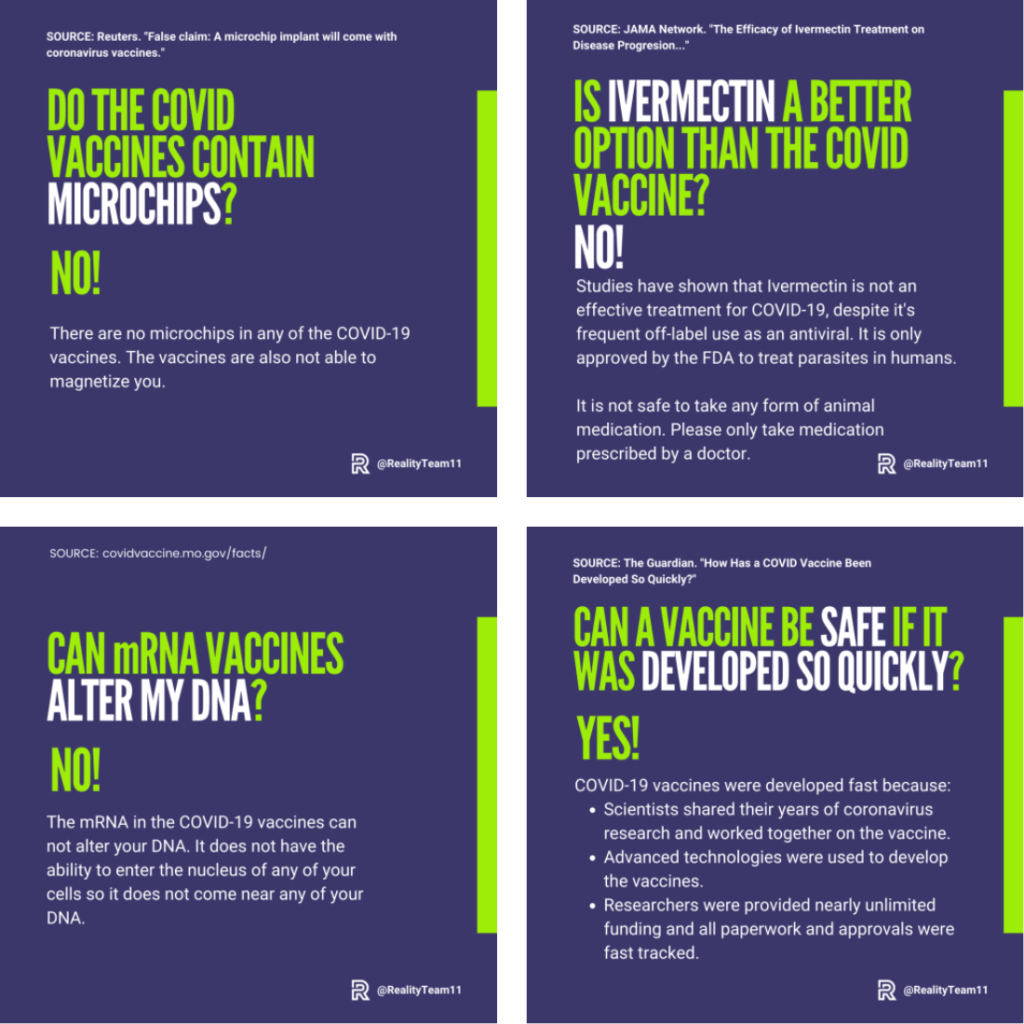
In settings where rumors are already spreading by word of mouth, prebunking or warning communities about the type of misleading claim before they encounter it often works better than trying to correct it afterwards.
We know availability bias shapes how people see risk. What is less understood is how collective availability or the shared memory of a community interacts with formal health communication over time. Do communities that lived through SARS or COVID-19 retain that sense of urgency indefinitely? Does it fade? Can it be reactivated?
Research on infodemic and mis/disinformation is beginning to explore this, but most studies focus on high-income, high-media-literacy settings. How availability bias works in low-literacy, low-connectivity communities across Asia Pacific, where spoken networks carry more weight than digital ones, has not been well studied.
- Challenger, A., Sumner, P. and Bott, L. (2022). COVID-19 myth-busting: an experimental study. BMC Public Health, 22(1). doi:https://doi.org/10.1186/s12889-021-12464-3.
- Ecker, U.K.H., Lewandowsky, S. and Chadwick, M. (2020). Can corrections spread misinformation to new audiences? Testing for the elusive familiarity backfire effect. Cognitive Research: Principles and Implications, 5(1). doi:https://doi.org/10.1186/s41235-020-00241-6.
- Ecker, U.K.H., Sharkey, C.X.M. and Swire-Thompson, B. (2023). Correcting vaccine misinformation: A failure to replicate familiarity or fear-driven backfire effects. PLOS ONE, 18(4), p.e0281140. doi:https://doi.org/10.1371/journal.pone.0281140.
- Lechanoine, F. and Gangi, K. (2020). COVID-19: Pandemic of cognitive biases impacting human behaviors and decision-making of public health policies. Frontiers in Public Health, 8(613290). doi:https://doi.org/10.3389/fpubh.2020.613290.
- Lewandowsky, S., Cook, J., et al. (2020). The Debunking Handbook 2020. [online] Available at: https://digitalcommons.unl.edu/scholcom/245/.
- Pilditch, T.D., Roozenbeek, J., Madsen, J.K. and van der Linden, S. (2022). Psychological inoculation can reduce susceptibility to misinformation in large rational agent networks. Royal Society Open Science, 9(8). doi:https://doi.org/10.1098/rsos.211953.
- Tversky, A. and Kahneman, D. (1973). Availability: a Heuristic for Judging Frequency and Probability. Cognitive Psychology, [online] 5(2), pp.207–232. doi:https://doi.org/10.1016/0010-0285(73)90033-9.
Confirmation bias: “My mind is made up.”
Confirmation bias is the tendency to look for, favor, and remember information that confirms what we already believe, while ignoring or dismissing information that challenges it. It affects people regardless of their education or how analytical they are. Research suggests that analytical thinking does not reliably protect against it, especially when information conflicts with strongly held beliefs or personal identity.
In health communication, confirmation bias is one of the main reasons corrective information often fails to take hold. It works on both sides of the conversation: in the communities receiving health services and messages, and in the public health professionals and communicators designing them.
A community that already distrusts a vaccine will notice and share every story of an adverse event and discount the safety data. A policymaker who believes a particular intervention works will read mixed evidence as confirmation. A health officer who assumes low uptake reflects individual reluctance will design campaigns that reinforce that assumption rather than examine and address structural barriers.
Research on social media and COVID-19 shows how confirmation bias and echo chambers reinforce each other. People engage selectively with content that matches their existing views. Algorithms then amplify that content, creating information environments that are increasingly resistant to outside perspectives.
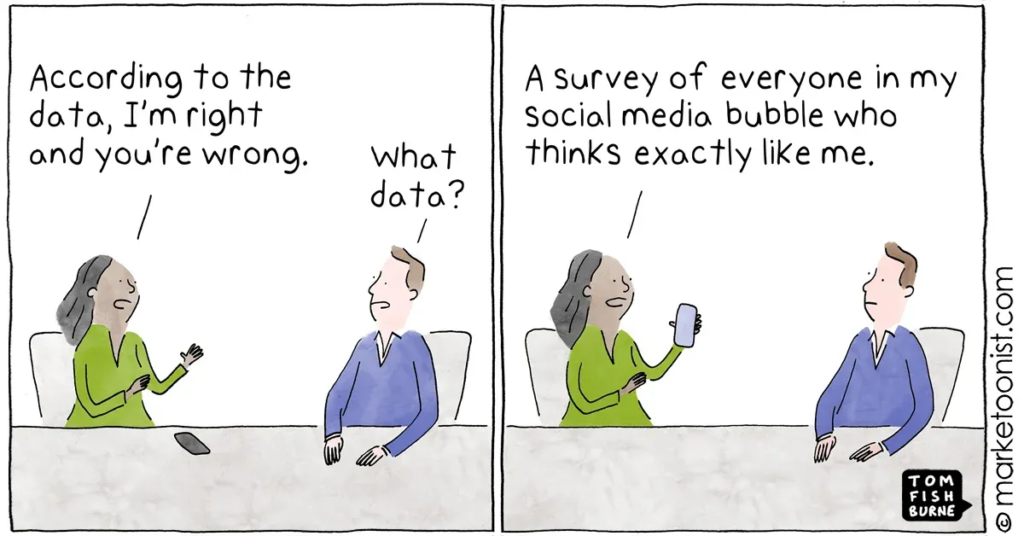
A study analyzing YouTube comments on Philippine national TV vaccination campaign videos found that 80% showed vaccine-hesitant views. Hesitant commenters engaged at significantly higher rates and often cited additional sources to support their position. The sourcing behavior itself illustrates confirmation bias: the goal was not to examine the evidence, but to find more of it that confirmed what they already believed.
Circular reporting makes this worse. As the TED-Ed explainer below shows, misinformation can spread by being cited between sources until it appears independently verified, even when every citation traces back to the same original false claim. The debunked link between vaccines and autism is one of the most documented examples. A retracted study was amplified by media, celebrities, and online networks until repetition itself became a form of credibility.
Confirmation bias is social as much as it is individual. Beliefs are confirmed not just by what people seek out on their own, but also by what their trusted networks share and reinforce. In close-knit communities, a single trusted voice confirming a belief can carry more weight than a sustained public health campaign contradicting it.
There is also a power dimension. Communities with less access to quality health information are more vulnerable to having their existing beliefs reinforced, including well-founded distrust of institutions, in ways that harm their health outcomes. This dynamic is documented in misinformation research globally, but how confirmation bias specifically amplifies health information inequities in Asia Pacific contexts is an area where more research is needed.
Research shows that awareness of confirmation bias can reduce susceptibility to misinformation and improve the capacity to discern the credibility of information. However, for communities where distrust of health institutions is deeply embedded in shared experience and justified by real events, awareness alone is unlikely to shift behaviors and perceptions.
Pay attention to this bias when introducing a new vaccine, treatment, or health behavior in a community with existing concerns about the health system, when corrective messaging seems to be making things worse, and when reviewing your own assumptions about why a campaign is not working.
Do not lead with contradiction. Telling people they are wrong tends to strengthen their beliefs. Instead, start with shared values and concerns. Find common ground first, then introduce new information as an extension of what the person already cares about.
Ask questions rather than present counter-arguments. Invite people to examine their own thinking. “What would it take for you to feel confident about this?” tends to open more space for conversation than correcting beliefs directly. This approach draws on motivational interviewing principles, which show promise for health behavior change.
Acknowledge what people have actually experienced. In communities where health institutions have failed people before, naming that directly builds more trust than leading with evidence. “We know there have been real problems with how health programs have been run here; this is what we are doing differently” is a more honest opening than “the science says.”
Work with the network, not against it. If trusted community voices are spreading misinformation, producing more counter-information is rarely the answer. Engage community leaders, religious authorities, and peer networks in creating accurate narratives together, rather than positioning formal health institutions as the only corrective voice.
What we do not know well yet is how to rebuild the capacity to update beliefs in communities where the information environment has been systematically unreliable. When accurate information and misinformation arrive through the same channels, and when the health system has given people real reasons for skepticism, the tools for telling them apart are harder to use. That is a research gap and a practice gap that health communicators in Asia Pacific are navigating in real time.
- Frost, H., Campbell, P., Maxwell, M., et al. (2018). Effectiveness of Motivational Interviewing on adult behaviour change in health and social care settings: A systematic review of reviews. PLOS ONE, 13(10), pp.1–39. doi:https://doi.org/10.1371/journal.pone.0204890.
- Kwek, A., Peh, L., Tan, J.H. and Lee, J. (2023). Distractions, analytical thinking and falling for fake news: A survey of psychological factors. Humanities & social sciences communications, [online] 10(1). doi:https://doi.org/10.1057/s41599-023-01813-9.
- Osude, N., O’Brien, E. and Bosworth, H.B. (2024). The search for the missing link between health misinformation & health disparities. Patient Education and Counseling, 129, p.108386. doi:https://doi.org/10.1016/j.pec.2024.108386.
- Piksa, M., Noworyta, K., Gundersen, A., et al. (2024). The impact of confirmation bias awareness on mitigating susceptibility to misinformation. Frontiers in Public Health, 12. doi:https://doi.org/10.3389/fpubh.2024.1414864.
- Silvallana, D.F., Elias, C. and Catalan-Matamoros, D. (2025). Exploring Vaccine Hesitancy in the Philippines: A Content Analysis of Comments on National TV Channel YouTube Videos. International Journal of Environmental Research and Public Health, 22(6), p.819. doi:https://doi.org/10.3390/ijerph22060819.
Optimism bias: “It won’t happen to me.”
Loss aversion: “I have more to lose than to gain.”
Loss aversion is the tendency to feel the pain of a loss more strongly than the pleasure of an equal gain. A core part of Kahneman and Tversky’s prospect theory, it helps explain why messages framed around what someone might lose can be more motivating than messages about what they might gain. Although, as with all biases, how loss aversion is experienced depends on the context.
Loss aversion helps explain why fear-based messaging can work, and why it often backfires, too. Messages focused on loss (“if you don’t get screened, you might miss early detection”) can feel more urgent than messages focused on gain (“getting screened gives you peace of mind”). But when the threat feels too large or too far out of someone’s control, people can stop trying altogether. If the loss feels unavoidable, there is little reason to act.
Two studies point in the same direction. A large-scale study across 84 countries on COVID-19 messaging found that loss-framed messages increased self-reported anxiety, but did not meaningfully improve intentions to follow health measures, seek information, or support health policies. A review of fear appeals in vaccination campaigns found that while fear appeals raised risk perceptions, they had weaker effects on vaccination intentions.
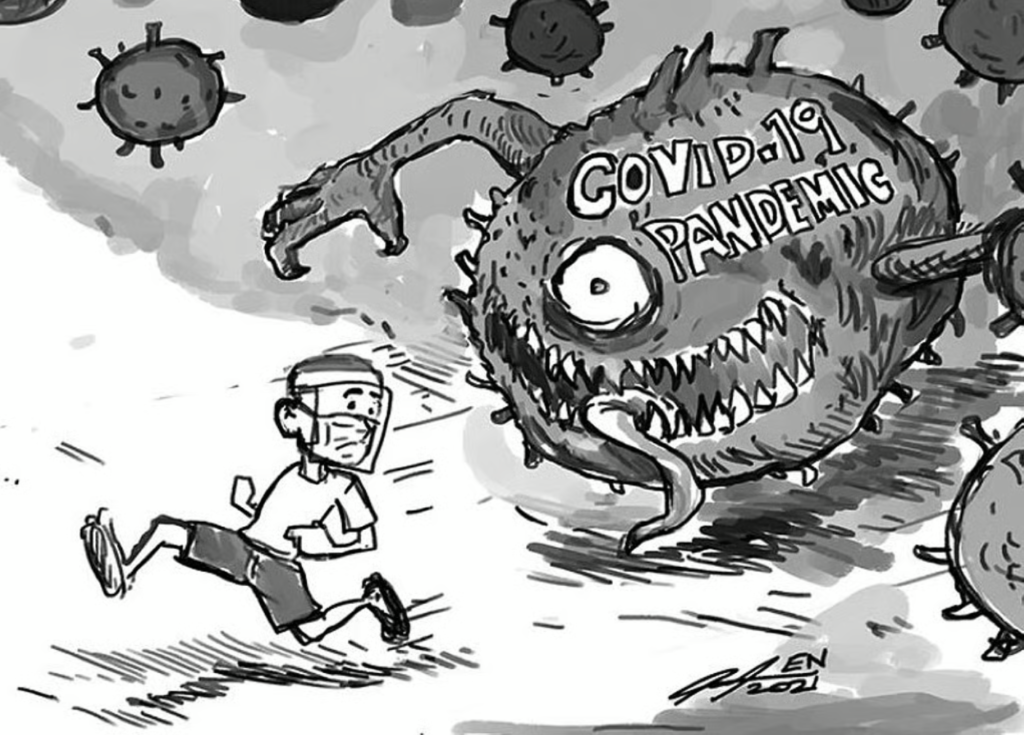
In community settings, what counts as a “loss” is shaped by culture and social relationships. In many communities across Asia Pacific, losing face — being seen to have made the wrong health decision in front of family or community — can carry more weight than a clinical risk. Loss of social standing, community trust, or the ability to care for family can matter more than personal health outcomes. Research on health communication in Asian contexts finds that social norms and collective concerns shape health decisions in ways that individual-focused frameworks miss.
Public health program officers and communicators who only think about personal health losses are missing the relational losses that often carry more weight. “Your community is counting on you to be healthy” is a loss frame. “Who will take care of your family if you get sick”? is a loss frame.
In communities that have been failed by health systems before, loss aversion can work against health engagement altogether. If past programs led to loss of trust, of health, or of loved ones, then joining a new campaign can itself feel like a risk. Trust has to be earned back before loss-framed appeals can work.
Pay attention to this bias when designing messages for preventive health behaviors where the benefit is delayed and the cost is immediate, when gain-focused campaigns are not getting results, and when communities seem resigned rather than motivated.
Start with what people are actually afraid of losing. Is it their health? Their income? Their reputation? Their ability to care for family? Match your message to those fears, and make clear that acting now is how they protect what matters most.
“If only he were vaccinated earlier, maybe that wouldn’t be the case.” Luz Dominayos recalls her father’s last days struggling with COVID-19. The loss of a loved one is one of the most powerful motivators, and one of the hardest to act on before it is too late. © WHO Philippines
Be careful with shame. Shame-based messaging can push people to act in the short term, but it erodes trust and dignity over time. Research in community settings finds that internalized shame significantly reduces help-seeking behavior. This effect is strongest in communities that already face stigma around health conditions.
Pair risk with a clear action. Research shows that for fear-based messages to work, people need to believe both that the risk is real and that they can do something about it. Risk communication without a clear, achievable action tends to produce anxiety and helplessness.
Know when a gain frame might work better. Loss frames do not always win. Research suggests that gain frames can outperform loss frames for disease prevention behaviors, though evidence is mixed and context matters significantly. When fear-based messaging has been overused or institutional trust is low, a gain frame can open a different emotional pathway, focusing on what becomes possible rather than what might be lost.
During my time at WHO Philippines, our campaigns took this approach, showing families reunited and routines restored as more people were vaccinated. Whether the frame itself drove uptake is difficult to isolate, but it offers a useful illustration of the principle in a real-world context.
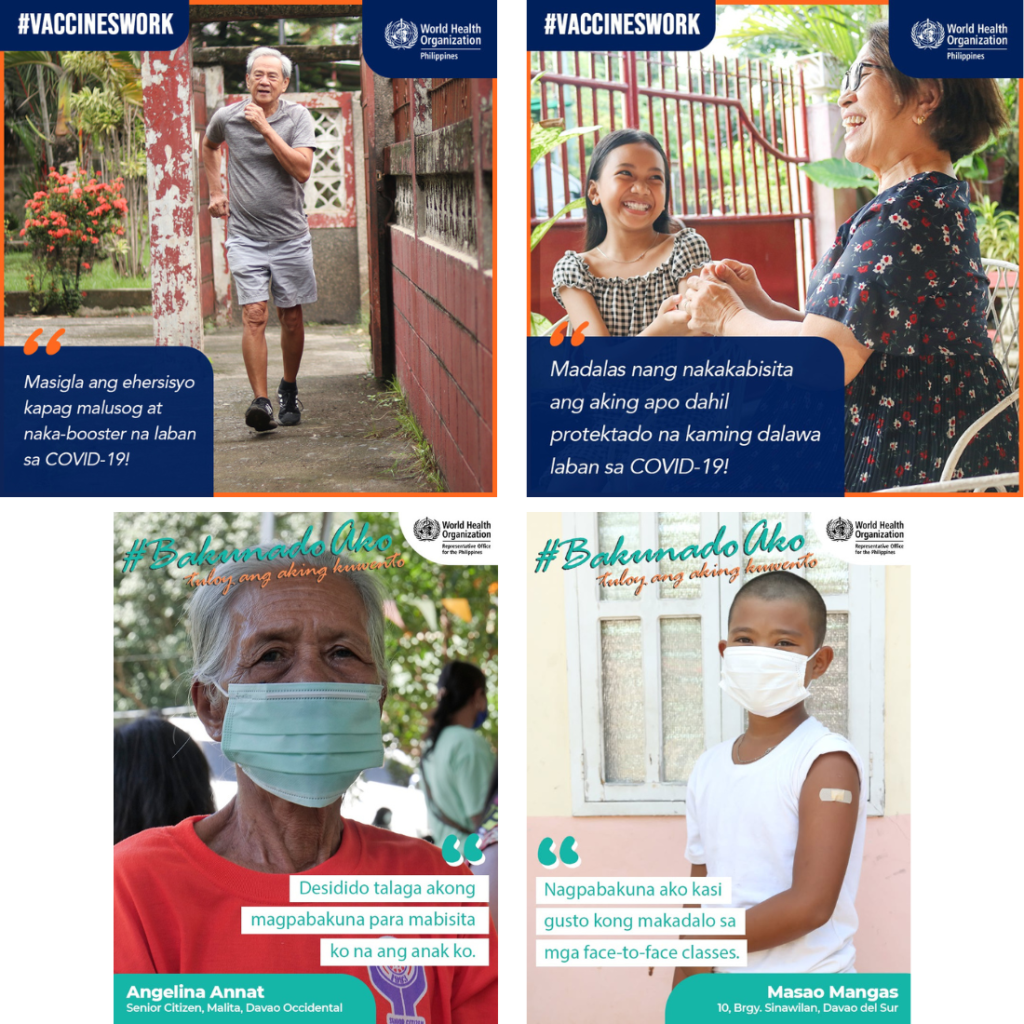
Most loss aversion research uses economic experiments in Western, individualist contexts. How it operates in collective decision-making where a family or community is the unit making the health choice has not been well studied.
We also lack good evidence on how loss aversion interacts with institutional distrust. Behavioral science assumes people are motivated to avoid loss when they believe action is possible. But what happens when communities have learned that the health system itself has been a source of loss? That question sits at the intersection of loss aversion, institutional trust, and historical harm. Most frameworks cannot yet answer it.
- Afriyie, E.K., Brantuo, E.K.N., Ankomah, S.E., et al. (2025). Effects of stigma on help-seeking behavior in mental health: A community-based study in Ghana’s Sekyere South District in the Ashanti region. Cambridge Prisms: Global Mental Health, [online] 13. doi:https://doi.org/10.1017/gmh.2025.10118.
- Ainiwaer, A., Zhang, S., Ainiwaer, X. and Ma, F. (2021). Effects of message framing on cancer prevention and detection behaviors, intentions and attitudes: Systematic Review and Meta-Analysis (Preprint). Journal of Medical Internet Research, 23(9). doi:https://doi.org/10.2196/27634.
- Dorison, C.A., Lerner, J.S., Heller, B.H., et al. (2022). In COVID-19 Health Messaging, Loss Framing Increases Anxiety with Little-to-No Concomitant Benefits: Experimental Evidence from 84 Countries. Affective Science, [online] 3(3), pp.577–602. doi:https://doi.org/10.1007/s42761-022-00128-3.
- Kahneman, D. & Tversky, A. (1979). Prospect theory: An analysis of decision under risk. Econometrica, 47(2), 263–291. The foundational text.
- Lwin, M.O. and Salmon, C.T. (2015). A retrospective overview of health communication studies in Asia from 2000 to 2013. Asian Journal of Communication, 25(1), pp.1–13. doi:https://doi.org/10.1080/01292986.2015.1009265.
- Mishi, S., Mushonga, F.B. and Anakpo, G. (2024). The use of fear appeals for pandemic compliance: A systematic review of empirical measurement, fear appeal strategies and effectiveness. Heliyon, 10(9), pp.e30383–e30383. doi:https://doi.org/10.1016/j.heliyon.2024.e30383.
- Teye-Kwadjo, E. (2022). How can we better frame COVID-19 public health messages? Discover Psychology, 2(1). doi:https://doi.org/10.1007/s44202-022-00042-6.
Status quo bias:“If it ain’t broke, don’t fix it.”
Status quo bias is the preference for things to stay as they are. Any change from the current situation tends to feel like a loss, even when a change would be beneficial. First studied by William Samuelson and Richard Zeckhauser in 1988, it explains why people stick with familiar treatments, avoid new health behaviors, and resist system changes even when evidence points in a different direction. It is closely related to loss aversion: the perceived risk of changing feels greater than the perceived benefit.
Status quo bias shows up in both communities and institutions, but its causes are worth understanding clearly. People do not always stick with the status quo out of pure risk aversion. There are several overlapping reasons for this: previous commitments that feel costly to abandon, the psychological safety of doing what worked before, and the tendency to default to the familiar when facing too much information or too many choices. When people are overwhelmed with conflicting health guidance or too many options, going with what they know is often the path of least resistance.
In health communication, this creates a specific challenge. A community that has managed illness a certain way for generations — through traditional remedies, delayed care-seeking, or reliance on family networks — is not necessarily resisting change because they have evaluated and rejected the alternatives. They are doing what has worked, or at least not obviously failed, in their lived experience.
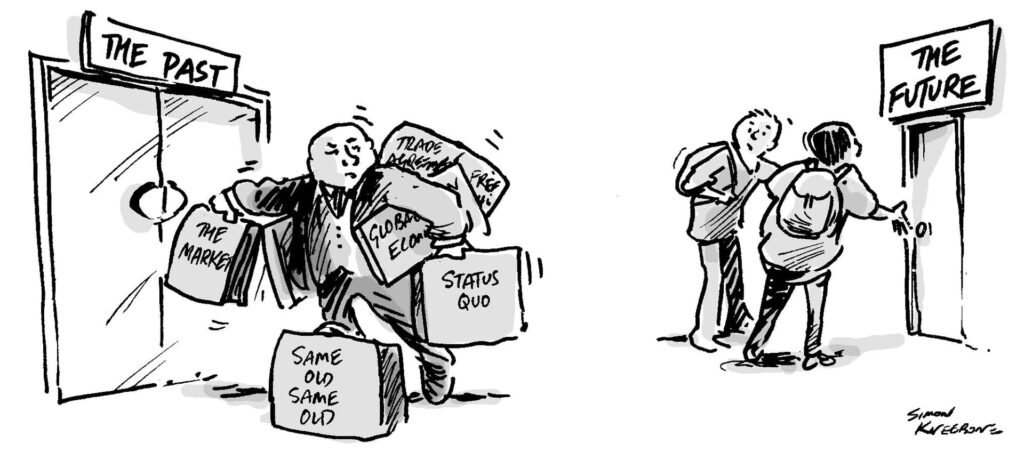
Institutions face the same pull. Health programs that keep running the same campaigns in the same formats despite limited evidence of impact are exhibiting status quo bias. An analysis of NCD communication campaigns across Pacific island countries found that 80% of public health authorities rated their campaigns as only moderately successful. It also found that messages were often imported from high-income countries without local adaptation, a pattern that persisted precisely because it was familiar and logistically easier than redesigning from scratch.
The status quo in any community comprises complex relationships, obligations, and identities. Shifting dietary patterns, increasing physical activity, or changing how families handle illness are not just individual behavior changes. They require renegotiating relationships and norms at the household and community level.
A systematic review of 97 studies on social capital and NCD risk factor found that community participation, trust networks, and social interaction were significantly associated with reduced smoking, increased physical activity, and lower rates of obesity and high blood pressure, suggesting that the relational context of health behavior matters as much as the individual decision.
Be mindful of this bias when introducing new health behaviors into communities with established practices, when evidence-based interventions are not being adopted, and when reviewing whether a program approach is being repeated because it works or because it is familiar.
Present the new behavior like a small step. Status quo bias is stronger when change feels large and permanent. Frame new health behaviors as extensions of existing practices rather than as replacements for them. A systematic review of lifestyle nudges found that 42 out of 66 studies using nudge approaches showed positive results for diet, exercise, and related behaviors.“Try it for two weeks” is more likely to shift behavior than “this is what you should do from now on.”
Make it easier to say yes than no. Default options, where a health behavior is set as the standard unless someone actively opts out, can reduce the effort required to act and increase uptake. But research on public acceptance of default nudges found that perceived intrusiveness is the strongest reason people reject them. This means people are more likely to accept a default when they feel their freedom of choice is protected, not undermined. The same logic applies to health program design: a service that communities can opt out of is more likely to gain initial trust than one that feels permanent and imposed.
Acknowledge the social cost of change. If adopting a new health behavior means being different from peers or family, name that directly. Help people think through the social dimension of change: who to talk to, how to explain it, and how to bring others along.
Apply the same test to your own programs. Ask: “Would we design it this way today, knowing what we know?” The reversal test is a practical tool for identifying when status quo bias, rather than evidence, is driving institutional decisions.
Most status quo bias research focuses on individual decision-making. How it operates as a collective norm, in which communities maintain health practices out of shared identity and social obligation, has not been well studied.
The institutional dimension is equally underexplored. It is worth documenting how health institutions can update their own practices in response to emerging evidence without losing the consistency and trust that communities depend on.
- Bostrom, N. and Ord, T. (2006). The Reversal Test: Eliminating Status Quo Bias in Applied Ethics. Ethics, 116(4), pp.656–679. doi:https://doi.org/10.1086/505233.
- Kiani, M.M., Takian, A., Farzadfar, F., et al. (2023). The Relationships between Social Capital, Metabolic, and Behavioral Risk Factors of Non-Communicable Diseases: A Systematic Review. Iranian Journal of Public Health. doi:https://doi.org/10.18502/ijph.v52i9.13563.
- Lemken, D., Wahnschafft, S. and Eggers, C. (2023). Public acceptance of default nudges to promote healthy and sustainable food choices. BMC Public Health, 23(1). doi:https://doi.org/10.1186/s12889-023-17127-z.
- Matthews, S. (2022). Nudging as a Support for Behavioral Change in Lifestyle Medicine. American Journal of Lifestyle Medicine, 17(6), p.155982762211034. doi:https://doi.org/10.1177/15598276221103476.
- Samuelson, W. and Zeckhauser, R. (1988). Status Quo Bias in Decision Making. Journal of Risk and Uncertainty, [online] 1(1), pp.7–59. doi:https://doi.org/10.1007/bf00055564.
- Strobel, F. and Bertrand-Protat, S. (2025). Noncommunicable disease communication campaigns in the Pacific Region: strengths, challenges and lessons learned from an online survey and poster analysis. Western Pacific Surveillance and Response Journal, [online] 16(4), pp.22–32. doi:https://doi.org/10.5365/wpsar.2025.16.4.1234.
Omission bias: “When in doubt, don’t.”
Framing effect: “It’s now what you say, it’s how you say it.”
The framing effect is the tendency to draw different conclusions from the same information depending on how it is presented.
First demonstrated by Amos Tversky and Daniel Kahneman in 1981, it shows that the words you choose, the reference point you use, and how you name something can change how people understand and respond to it, sometimes more than the content itself.
The framing effect operates at every level of health communication, from how a disease is named to how a risk statistic is presented. A randomized controlled trial on COVID-19 vaccine side-effect framing found that adding a simple qualitative label (“very low risk”) next to a numerical risk figure increased vaccination intentions significantly. Presenting the same numerical risk without that label did not produce the same result.
Research on health message framing and cultural values found that messages aligned with a recipient’s cultural values and lived experience are significantly more effective at shaping health attitudes and behavior.
However, a frame that motivates one community can alienate another, particularly when the frame assumes an individualist reference point in a context where collective identity is central to how health decisions are made.
The history of disease naming in public health is a history of framing. It has often placed communities in the position of source, vector, or problem.
The “Asian disease problem” — the name Kahneman and Tversky gave to their foundational framing experiment — is itself an example. So is the original name “monkeypox,” which the WHO renamed to mpox in 2022 after identifying it as racist and stigmatizing. The original name not only perpetuated an offensive stereotype of African populations, it made people less likely to get vaccinated, tested, or seek treatment. Research on COVID-19 framing found that messages linking the virus to China were directly associated with increased anti-Asian prejudice and xenophobia. When communities have repeatedly been positioned as the source of disease, that history shapes how every subsequent health message is received, regardless of intent. Asian diaspora communities turned to art to address this issue.

Research on cross-cultural health communication shows that people interpret health messages through the lens of their own lived experience and cultural background. A message intended as straightforward risk information may be received very differently depending on who is delivering it, to whom, and what history sits between them.
Be mindful of this when working in communities where health issues have historically been framed in stigmatizing ways, and when adapting messages across cultural contexts.
Understand the historical frame first. Before introducing a new message, ask how this health issue has historically been framed in this community. If the dominant frame has been stigmatizing or blame-assigning, a new message will land inside that frame unless you explicitly acknowledge and reposition it.
Check the names and labels you use. Disease names, program titles, and population descriptors all carry frames. Ask: does this label position a community as a problem, a victim, or a partner? Does the name of this condition carry stigma that will affect who seeks care?
Use collective frames in community contexts. Framing a health behavior as something people do to “care for each other” or to “protect their community” speaks to shared obligation rather than personal risk. In community settings where collective identity is strong, this distinction matters for how the message is received.
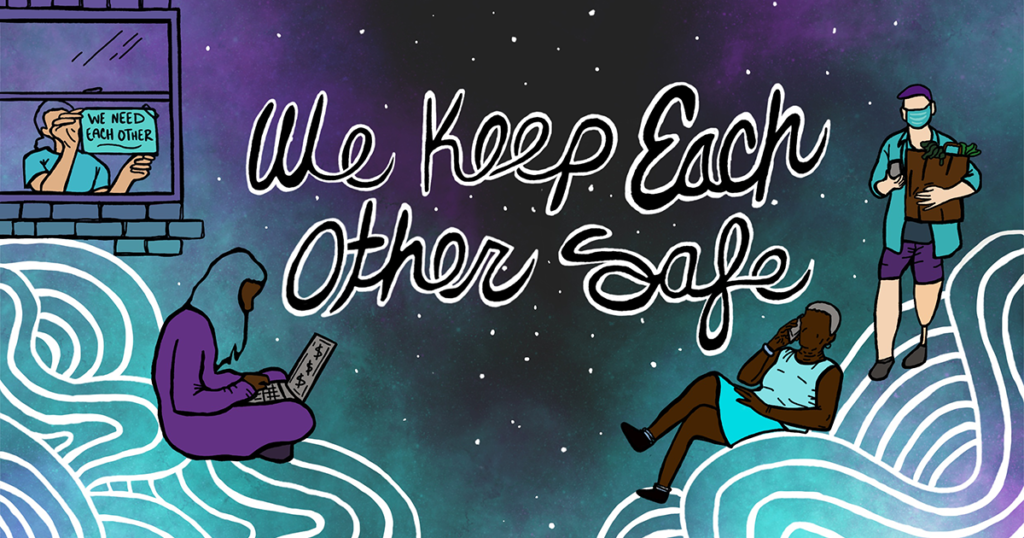
Test frames with your audience before scaling. What feels neutral or positive to a public health professional may land differently in the community. The NCI Pink Book on Making Health Communication Programs Work provides a practical guide to pre-testing messages — from focus groups to cognitive interviews — before full rollout.
The framing effect research base is extensive, but like the evidence on other cognitive biases, predominantly Western and experimental. How framing interacts with specific cultural values across Asia Pacific, such as concepts of collective obligation, intergenerational responsibility, spiritual health, and community honor should be explored further.
Historical framing is also underresearched. When communities have been repeatedly framed as problems rather than partners, every new message arrives carrying that weight. Changing the frame requires rebuilding trust with communities.
- Dhanani, L.Y. and Franz, B. (2020). Why Public Health Framing Matters: An Experimental Study of the Effects of COVID-19 Framing on Prejudice and Xenophobia in the United States. Social Science & Medicine, 269, p.113572. doi:https://doi.org/10.1016/j.socscimed.2020.113572.
- Druckman, J.N. (2001). Evaluating framing effects. Journal of Economic Psychology, 22(1), pp.91–101. doi:https://doi.org/10.1016/S0167-4870(00)00032-5.
- Gong, J., Zhang, Y., Feng, J., Huang, Y., Wei, Y. and Zhang, W. (2013). Influence of framing on medical decision making. EXCLI Journal, [online] 12, p.20. Available at: https://pmc.ncbi.nlm.nih.gov/articles/PMC4803019/.
- National Cancer Institute (2003). Making Health Communication Programs Work. [online] Available at: https://www.cancer.gov/publications/health-communication/pink-book.pdf.
- Ogbogu, P.U., Noroski, L.M., Arcoleo, K., et al. (2022). Methods for Cross-Cultural Communication in Clinic Encounters. The Journal of Allergy and Clinical Immunology: In Practice, 10(4), pp.893–900. doi:https://doi.org/10.1016/j.jaip.2022.01.010.
- Spina, M., Arndt, J., Landau, M.J. and Cameron, L.D. (2018). Enhancing Health Message Framing With Metaphor and Cultural Values: Impact on Latinas’ Cervical Cancer Screening. Annals of Behavioral Medicine, 52(2), pp.106–115. doi:https://doi.org/10.1093/abm/kax009.
- Sudharsanan, N., Favaretti, C., Hachaturyan, V., et al. (2022). Effects of side-effect risk framing strategies on COVID-19 vaccine intentions: a randomized controlled trial. eLife, 11. doi:https://doi.org/10.7554/elife.78765.
- Tversky, A. and Kahneman, D. (1981). The Framing of Decisions and the Psychology of Choice. Science, [online] 211(4481), pp.453–458. doi:https://doi.org/10.1126/science.7455683.
Campaigns addressing cognitive biases in the real world
The most effective health communication campaigns rarely address a single bias. They work because they make a coherent read of how a community thinks, trusts, and decides, and they use several cognitive levers at once.
The campaigns below show what responding to biases looks like in practice, and what becomes possible when public health professionals and communicators get it right.
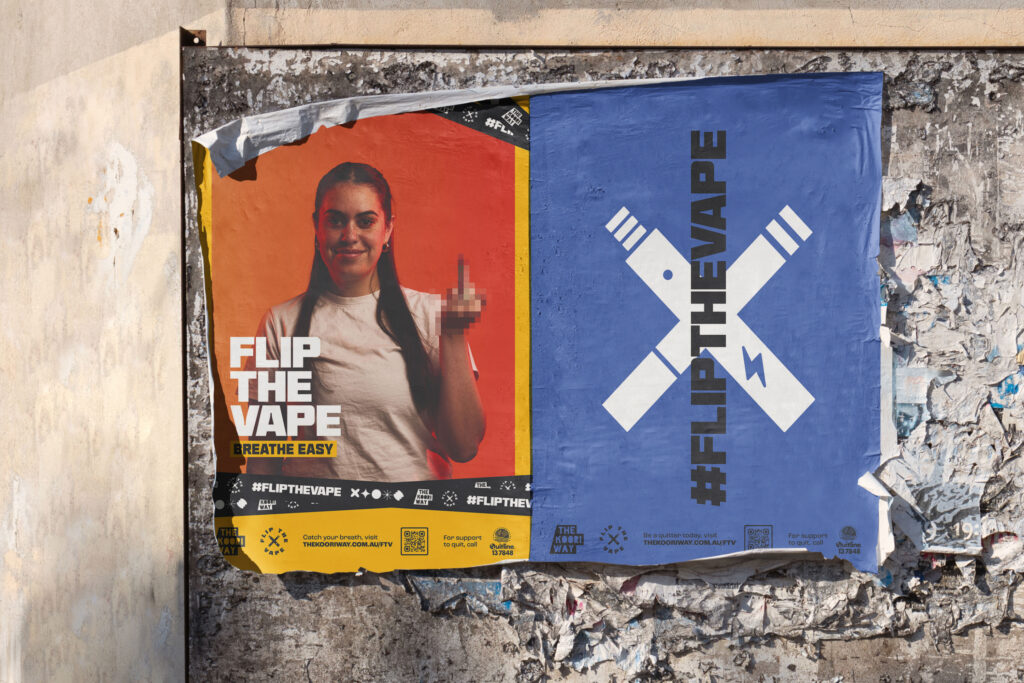
Flip the Vape
Victorian Aboriginal Health Service (VAHS) · Australia · 2025
Standard anti-vaping campaigns using fear-based messaging had not shifted behavior among Aboriginal and Torres Strait Islander youth in Victoria, Australia, where 22% of those aged 15 and over had tried vaping. VAHS partnered with 11 Aboriginal Community Controlled Health Organizations to design something different. The campaign’s core icon — based on “flipping the bird” — was reclaimed as a gesture of youth defiance against vaping, led entirely by young Aboriginal community members.
Biases at work:
- Framing effect: quitting reframed as cultural identity and leadership
- Ingroup bias: the campaign was “led by mob, for mob”; every creative decision signaled community membership
- Bandwagon effect: tobacco-free identity was made the new norm rather than fighting the existing one
- Status quo bias: the campaign worked with the desire to belong rather than against existing behavior
What they flipped: Fear as motivation replaced by cultural pride and community belonging.
Result: The campaign reached over 1 million young people in three months. 70% of the target audience said it made them reconsider their views on vaping. The campaign won Best in Category – Communication Design 2025 at the Victorian Premier’s Design Awards.
Meet the Survivors — Polio Free Pakistan
Ogilvy Pakistan · Pakistan · 2020s
Despite safe and effective polio vaccine drops being available, Pakistan continued to see cases in the past decades. Conspiracy theories and deep vaccine skepticism were driving refusal. Rather than arguing against skeptics, Ogilvy Pakistan brought them face-to-face with polio survivors, who shared their stories and said directly: “I wish I had given my child the vaccine drops.”
Biases at work:
- Ingroup bias: survivors were community members, not health authorities; they carried ingroup credibility that no institution could replicate
- Availability bias: a real person sitting across from you is harder to dismiss than a statistic on a page
- Omission bias: survivors named inaction as the cause of their harm, confronting the “doing nothing is safer” logic directly
What they flipped: The health authority as expert was replaced by the community member as the most credible voice in the room.
Result: Polio cases in Pakistan dropped significantly within a year. The campaign won Bronze at the 2022 Clios.
Are You Drinking Yourself Sick?
Vital Strategies & HEALA · South Africa · 2017–2018
South Africa was debating a health promotion levy on sugary drinks. The beverage industry framed it as a burden on low-income consumers. HEALA, a local civil society coalition, partnered with Vital Strategies on a counter-campaign deliberately led by local voices. One of its most memorable elements was an animated video showing fat building up around a father’s heart as he and his daughter drink sodas together.
Biases at work:
- Framing effect: the debate was reframed from “government taxing your drinks” to “the drinks industry is making your community sick”
- Availability bias: the animated video made the invisible internal consequences of sugary drinks visible and emotionally real
- Ingroup bias: the campaign was led by local civil society, placing the message inside the community rather than having it arrive from an outside institution
What they flipped: The accountability frame shifted from the tax as the problem to the product as the problem.
Result: The campaign reached 14.6 million people. The percentage of people naming sugary drinks as a top contributor to obesity rose from 76% to 90%. The Health Promotion Levy was passed, making South Africa one of the first African countries to implement a sugary drinks tax.
Putting it into practice
The biases in this guide do not belong only to the communities we work with. They live in our institutions, our program designs, and our own assumptions about who needs to change and why.
Status quo bias keeps us running campaigns that have not worked, because redesigning them feels riskier than repeating them. Confirmation bias shapes how we interpret community resistance, as ignorance or hesitancy rather than as a reasonable response to a history we may not fully know. Ingroup bias determines whose voices we center in co-design, and whose we treat as an afterthought. The framing effect shows up in every program title, campaign, or output we choose without thinking.
Communities are not passive recipients of our programs. When people do not respond the way we expect, it is rarely because they failed to understand. It is because they are making decisions that make sense given what they know, who they trust, and what has happened to them before.
The next time a campaign does not land, or a community pushes back on a program that the evidence supports, resist the instinct to ask what went wrong with the community. Ask instead what the community’s response is telling you: about trust, about history, about whose frame of reference the program was actually built on. That is where the more useful work begins.