The Office of Culture and Design: Empowering communities through cultural cooperation and innovation
“The big idea is to use the tools offered by contemporary art and design to effect some social change.”

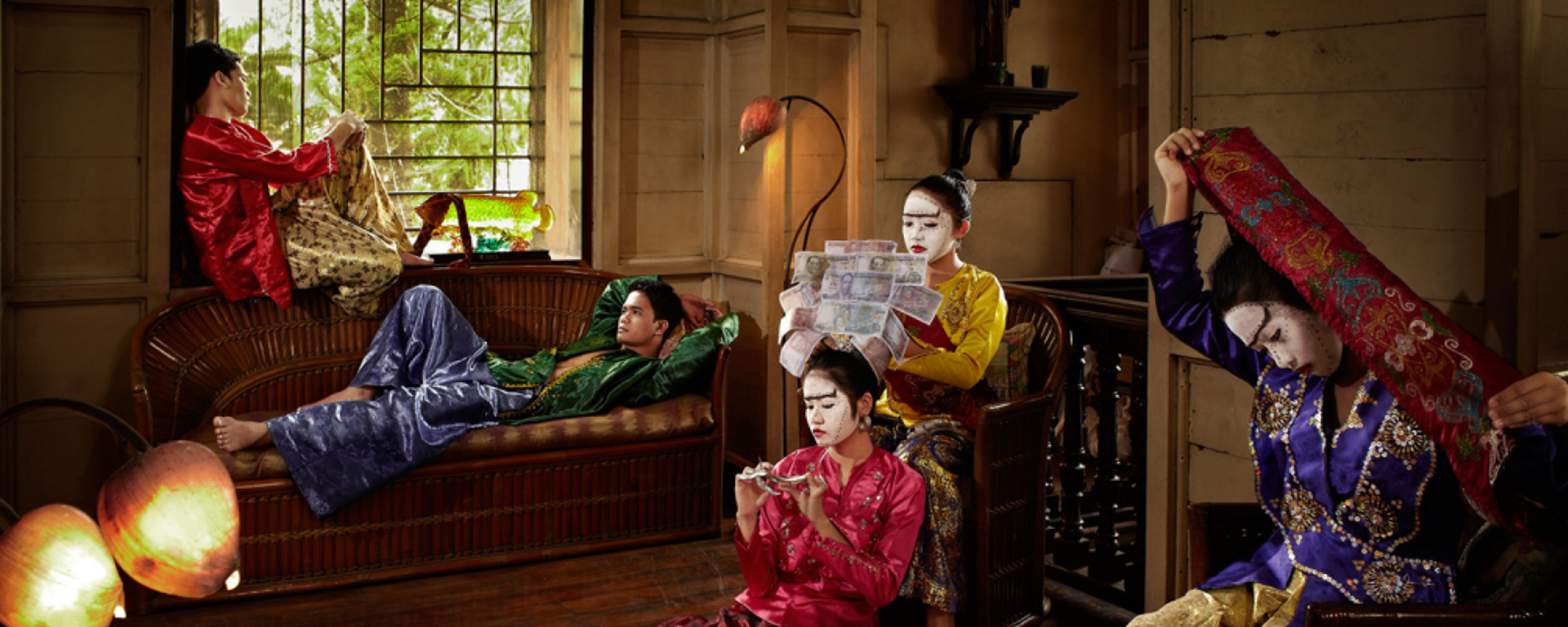
OCD fosters cultural cooperation within and beyond the Philippines. © The Office of Culture and Design
About this project
I wrote this as a contributor to Homegrown.ph, an online magazine for entrepreneurs, at a time when I was drawn to covering social enterprises. The Office of Culture and Design was a natural fit: a creative practice using contemporary art and design as tools for social change, with deep roots in community engagement across the Philippines. I was particularly interested in how OCD approached sustainability practically and financially, always in service of the communities they worked with rather than as a brand value. Both OCD and Homegrown.ph have since closed, but this story is worth preserving as a record of the work they did.
The Office of Culture and Design (OCD)’s name may sound official and bureaucratic, but it’s an effort from the private sector, specifically from creative professionals and innovators, to fill in a gap.
OCD’s creative director Clara Balaguer thinks this has to be addressed now more than ever.
“The big idea is to use the tools offered by contemporary art and design to effect some social change,” says Balaguer.
Given the prevailing thought in the country that “culture in our country is only worth what tourists will pay for,” it is the mission of OCD to counter that message through projects that put the spotlight on the integrity of communities without playing up their heritage.
Linking artists and communities
Born and raised in the Philippines, Balaguer had the opportunity in 2003 to work and study in Spain, her father’s homeland, where she met and built relationships with local artists in and out of the advertising industry. The link was maintained even when she had to return to the Philippines in 2009 for her mother’s sake, and made stronger as the concept for her brainchild was developed.
“We focus a lot on cultural cooperation, which is basically bringing people from different countries together in order to work on something in either country,” she says.
Yet the exchange wasn’t so much between artists, but between artists and communities.
Before it was formally opened in 2010, OCD started working on a project in October 2009 called Zamboanga Hace (pronounded ha-se, the Chavacano term for “ago”). For three years, Balaguer spread out four workshops in the fields of photography, graphic design, film, and performance and activist art for students of the Western Mindanao State University.
She teamed up with individual artists including graphic designer Miquel Polidano, filmmaker Carlos Casas, photographer Biel Capllonch, and artist collectives like the Institute for Infinitely Small Things, to teach basic art techniques to about 40 to 60 students in five-day workshops.
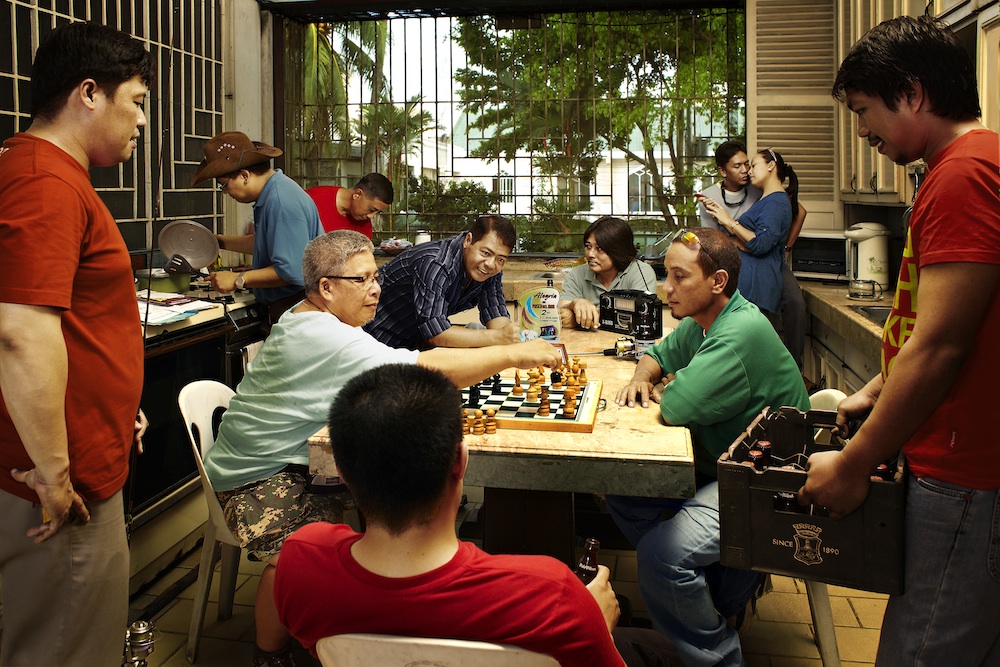
Balaguer admits, however, that she curated the project to use the arts in creating a dialogue on cultural and social issues.
“The idea was not so much to teach art or teach them to be artists, but just to give them a space to think critically and think freely. If this is the generation that’s supposed to be solving or will hopefully be solving the problems in Mindanao, what they need is a very, very creative mindset, and they need to think laterally.”
Taking control through financially sustainable projects
To achieve community engagement, OCD’s projects must be more than a one-time activity. The Zamboanga Hace, for example, was jumpstarted by bootstrapping but was sustained and completed with a grant from the William J. Shaw Foundation.
“The good thing about using your own money in the beginning is that you have complete control over your projects. Once we had that strong portfolio, we started getting grants,” she says, and yet becoming financially independent has got her preoccupied since Day 1.
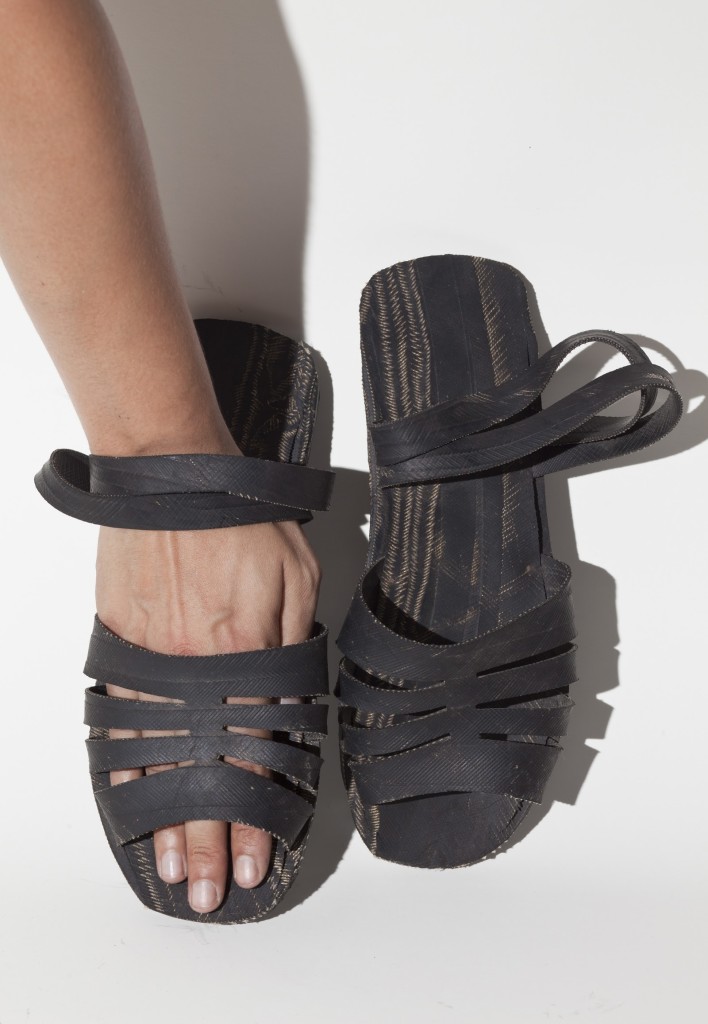
Her efforts to sustain OCD were directly linked to sustaining the communities it reaches out to. She came up with a new product line called SAIAO (pronounced sa-yaw) or Selected Artifacts In Alphabetical Order. The island products are kept intact, if not minimally repurposed, and will be available for purchase online in March 2014. Some of those include a plant hanger made of cock leash and an aluminum stove, a duyan wall organizer, and aluminum flanera organizers.
Cultural explorations
Another product that Balaguer saw herself happily forced into is books, a natural progression, she says, for a writer like her.
While filming Lupang, which explores how the Aetas displacement from their ancestral land affects their identity, Balaguer was introduced to the exquisite cuisine of the Aetas.
“The Aetas disagreed on many things as far as their culture went, but one thing they all could agree on was food,” she observed.
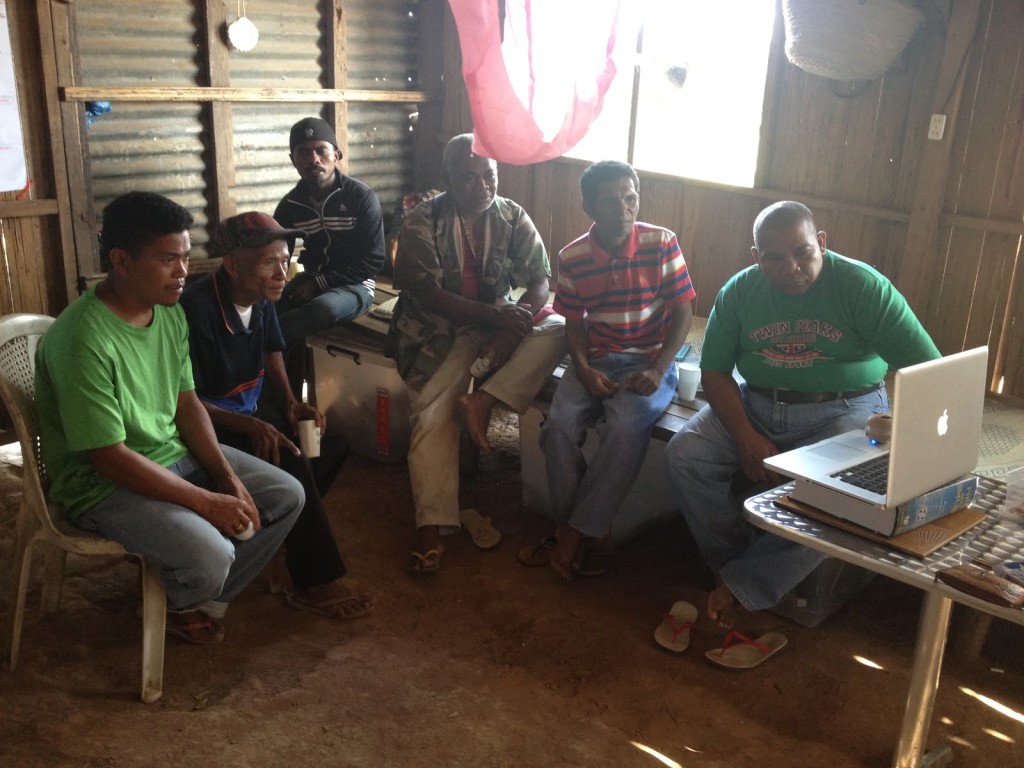
Halfway into the production, she decided to compile the tribe’s recipes for a cookbook. Young Aetas contributed recipes, most of them over 30,000 years old, while Fil-Am designer Kristian Henson helped out on the book design and illustrations.
For Lupang‘s March 2014 exhibition at the Singapore Art Museum, with the four other pieces funded by Earth Observatory Singapore’s Visiting Artist Program (EOSVAP), Balaguer wanted to publish an information booklet on the experience of making the film. So she went to Recto and commissioned 50 reader copies of what would be Tribal Kitchen, published by OCD’s imprint Hardworking, Goodlooking.
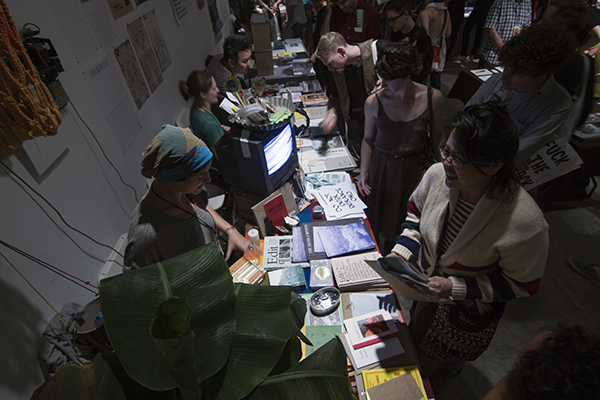
She brought the book “printed in riso and on bad paper” to the PS1 MOMA Printed Matter Art Book Fair in October 2013 and sold it together with OCD’s project catalogue, also RISO printed. She was convinced there would be a few copies left over for Singapore, but within only 12 hours, all the books were sold out.
Tribal Kitchen, even if just in preliminary reader format, is now in its second edition, to keep up with orders taken at the NY Art Book Fair and for sale at Lupang‘s Singapore premiere.
Sharing the profits
Balaguer shares that the final edition of the book will be donated to Aeta families and ready for selling to tourists trekking Mt. Pinatubo. Some copies will also be sold at Kilometer 93, a market for the Aetas managed by musician Ysagani Ybarra, who is also the same guy who lent his private property to the tribe for free. The proceeds will be donated to the Porac Aeta Ancestral Domain Federation, Inc., an organization run by Aetas, to add to the allowances of Aetas who are going to college.
With all the work that needs to be done, Balaguer says she’ll push through with her experiments and continue giving until it hurts.
“I think you have to bring them down to practical applications. Sometimes it backfires, sometimes it doesn’t, but it’s all a learning process.”